Common Problems Solved by Drain Jetting

February 6, 2026

Plumbing issues can feel overwhelming, not only because they interrupt daily routines, but also because repairs can add up fast. Drain jetting is a powerful option that tackles a wide range of drain and sewer problems quickly, from stubborn clogs to heavy buildup that keeps coming back.


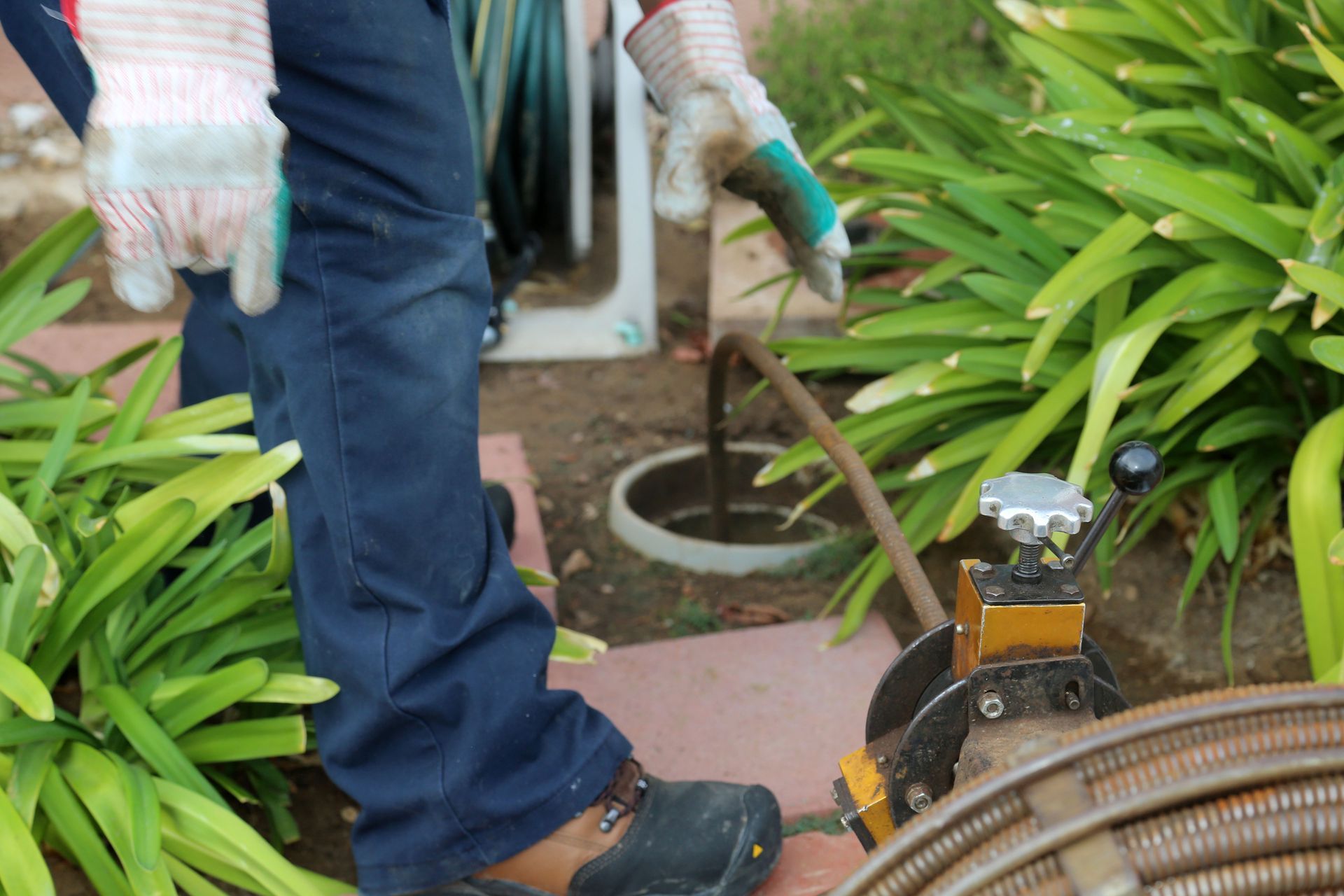
Using high-pressure water, hydro jetting scours the inside of pipes and clears trouble spots that basic methods can miss. Because it can reach deeper into the line and clean wall-to-wall, drain jetting is often used for both urgent backups and routine maintenance.


1. Clearing Stubborn Blockages

1.1 Identifying Stubborn Blockages

Some blockages are often linked to slow drains, frequent backups, and unusual sounds coming from the line. Hair, soap residue, paper products, and food debris can compact over time and create thick clogs that standard plunging won’t touch. In these cases, drain jetting can break apart the obstruction and flush it out, restoring stronger flow through the line.


Many conventional options only punch a small opening through the clog, which can leave residue behind and let the blockage rebuild. With drain jetting, the goal is to clean the full interior of the pipe so that buildup has fewer places to cling. That full-coverage cleaning is a big reason property owners choose it for recurring problems.


According to HomeGuide, professional hydro jetting typically keeps residential drains clear for 2 to 3 years, depending on usage and what flows through the pipes. Because it can reduce repeat clogs, drain jetting can also lower the odds of emergency calls tied to severe backups.


1.2 Advantages Over Traditional Methods

Compared to a drain snake, drain jetting is often more thorough because it cleans the entire circumference of the pipe instead of creating a narrow channel. That can improve drainage speed and reduce how quickly debris returns. It can also work through bends and complex routing where buildup likes to hide.


Another benefit is that this approach avoids harsh chemical cleaners. Chemical products can be rough on older plumbing materials and may cause ongoing wear when used repeatedly. Drain jetting relies on pressurized water, which makes it a practical option for many systems when performed correctly by a trained technician.


Since clogs can bring a home or business to a standstill, speed matters. Many plumbing pros use drain jetting to clear problems efficiently, helping limit downtime and disruption for households and commercial operations.


1.3 Preventing Recurrence

A standout benefit of drain jetting is how well it helps slow the return of stubborn clogs. Removing sludge and film along the pipe walls, it reduces the “sticky layer” that catches new debris. That means fewer repeat issues tied to the same trouble spot.


Routine service can also support prevention. Scheduling drain jetting as maintenance, especially in higher-use systems, can keep small accumulations from growing into major blockages. That proactive approach can save time, reduce urgent calls, and support steadier performance over time.


Cleaner pipes can also help with odor control. When residue sits in the line, it can create unpleasant smells near drains. By clearing that residue, drain jetting can improve how the system functions day to day.


1.4 Cost Implications

The upfront price may be higher than basic snaking, but the long-term value can be strong. Because the cleaning is more complete, property owners often see fewer repeat visits, which can reduce ongoing maintenance costs over time.


It can also help avoid bigger repairs tied to severe backups or pipe stress caused by chronic blockages. When problems are addressed early, the risk of damage that leads to excavation or replacement can drop significantly.


Another advantage is flexibility. Drain jetting can be scaled for smaller residential needs or larger commercial lines, which helps match the service to the situation instead of overpaying for unnecessary work.


1.5 Safety Considerations

This method uses powerful water pressure, so it needs the right equipment and training. Used incorrectly, the pressure can cause injuries or harm pipes that are already deteriorating. That’s why many plumbers recommend professional service rather than DIY attempts.


Technicians also follow safety steps like wearing protective gear and checking access points before starting. They can adjust water pressure and nozzle selection based on pipe material, age, and the type of blockage they’re clearing.


Because it uses water rather than caustic chemicals, it’s generally a more eco-friendly cleaning option. The debris that gets flushed out still needs proper handling, and a professional can manage the process responsibly.


2. Removing Grease Accumulation

2.1 Causes of Grease Build-up

Grease buildup is common in kitchen lines where fats, oils, and grease (FOG) enter the drain. These materials cool, thicken, and stick to pipe walls, creating a sticky layer that restricts flow. Over time, grease can trap other debris and turn minor slowdowns into full clogs.


Many people assume hot water or dish soap will fix grease issues, but that relief is often temporary. Once the grease cools further down the line, it can harden again and keep collecting buildup.


In restaurants and other food-based businesses, grease problems can be frequent because of volume. Many facilities also have compliance requirements tied to grease control, which makes routine cleaning a practical part of operations.


2.2 How Drain Jetting Works on Grease

Drain jetting can be highly effective on grease because the high-pressure water breaks up the coating and pushes it out of the system. Instead of shifting the grease to a different location, it strips buildup from the pipe interior so it’s less likely to reform quickly.


This approach is especially helpful at bends and joints where grease often collects. Regular drain jetting can support cleaner lines in commercial settings where performance and hygiene expectations are high.


Since the process uses water, it avoids chemical residue entering wastewater systems. For many property owners, that makes it a practical choice for clearing grease while also supporting environmentally responsible maintenance.


2.3 Environmental Benefits

High-pressure water cleaning reduces reliance on chemical drain products that can be harmful to pipes and wastewater systems. For homes and businesses focused on greener practices, this can be a meaningful benefit.


Cleaner pipes may also last longer when they aren’t repeatedly exposed to harsh products. That can reduce material waste tied to premature repairs or replacements.


Cleaner pipes also support municipal systems by reducing the volume of contaminants entering treatment facilities. When grease and debris are removed at the source, downstream systems operate more efficiently. This makes routine pipe cleaning an important part of responsible plumbing care for both residential and commercial properties.


2.4 Routine Maintenance Tips

Preventing grease buildup starts with everyday habits. Homeowners can reduce problems by avoiding pouring oils or food scraps down the drain and by using sink strainers to catch debris. These small actions go a long way in keeping pipes clearer between professional services.


For commercial kitchens, maintenance plans often combine grease trap cleaning with scheduled pipe flushing. This approach helps maintain a consistent flow and reduces the likelihood of sudden shutdowns due to blockages. Keeping maintenance records also helps businesses stay compliant with local regulations.


When routine care is paired with professional cleaning at appropriate intervals, drainage systems tend to perform more reliably. This balanced approach helps limit emergencies while supporting long-term system health.


Plumbing problems often start small but can escalate quickly when buildup, grease, roots, or sediment go unchecked. Professional pipe cleaning plays an important role in restoring flow and reducing the likelihood of repeat issues.


By addressing problems at their source and supporting preventive maintenance, property owners can protect their plumbing systems and avoid disruptive emergencies. For homes and businesses alike, investing in proactive care supports smoother operation, fewer surprises, and greater confidence in everyday plumbing performance. Contact Raleigh Plumbing & Heating, Inc today for more.
drain repair
February 6, 2026
Discover the warning signs of plumbing problems and when to call a professional for drain repair to prevent damage, save money, and protect your lovely home.
sewer line cleaning
January 28, 2026
Regular sewer line cleaning supports system longevity, reduces the likelihood of emergency repairs, and provides peace of mind. Read more now.
plumbing company
December 12, 2025
Are your water pipes showing signs of aging? A plumbing company can inspect, repair, or replace them to prevent leaks, low pressure, and damage.
November 11, 2025
Water heaters are a critical component of any household, providing the necessary hot water for showers, cooking, and cleaning. Understanding the importance of setting the right temperature is crucial for optimizing energy efficiency, ensuring safety, and maintaining comfort. Let's explore the sweet spot in water heater temperature settings, providing insights into the science, health considerations, energy savings, and individual adaptation to enhance your water heating experience. The Science Behind Water Heater Temperature Water heater temperature settings typically range between 40 and 60 degrees Celsius, each degree affecting energy consumption and water pressure. The lower the temperature, the less energy is used, but this may compromise the comfort and efficiency of daily household activities. On the other hand, setting it too high increases risks such as scalding and energy wastage. Understanding these settings allows homeowners to strike a balance between saving energy and maintaining a consistent water supply. According to AOS Bath, setting your water heater to 50 degrees Celsius can help you shower smartly, save money, and keep your family safe. The temperature at which your water heater operates directly impacts energy consumption levels. Higher settings require more energy, leading to increased utility bills and potentially higher carbon footprints. Conversely, lower temperatures require less energy, promoting environmental sustainability and energy savings. Striking a balance in your water heater's setting can significantly contribute to reducing operational costs while meeting household needs. Thermostats play a pivotal role in regulating water heater temperatures, ensuring consistency and efficiency. Modern water heaters come equipped with advanced thermostatic controls that enhance the precision of temperature settings. By accurately controlling the water temperature, thermostats help mitigate risks associated with both underheating and overheating. Additionally, they offer homeowners the convenience of adjusting settings based on their specific preferences and needs. Water heater temperature affects not only energy and safety but also water pressure levels. Higher temperatures can cause increased pressure, potentially leading to system failures or plumbing issues. Understanding how temperature correlates with pressure helps in optimizing water supply efficiency while mitigating the risk of damages. Maintaining a balanced temperature is integral to ensuring consistent water flow and pressure within the household. Health and Safety Considerations Scalding is a significant risk associated with excessive water heater temperatures, especially in households with vulnerable individuals like children and the elderly. Water set above 60 degrees Celsius can cause severe burns almost instantly, underscoring the importance of regulated settings. Preventing scalding involves not only setting appropriate temperatures but also installing anti-scald devices where necessary. Being aware of scalding risks prompts caution and proactive adjustments to water heater settings. Legionella bacteria thrive in warm water environments, presenting a significant health risk if water heaters are set too low. Temperatures around 40 degrees Celsius can create favorable conditions for bacterial growth, leading to Legionnaires' disease, a potentially fatal respiratory illness. Therefore, maintaining a minimum temperature of 50 degrees Celsius or higher is crucial to inhibit bacterial proliferation. According to health experts, ensuring water temperatures are above this threshold is vital for preventing bacterial contamination and safeguarding household health. Achieving a balance between safety and comfort is pivotal when determining the ideal water heater temperature. Too low settings may compromise appliance efficiency and user comfort, while excessively high settings pose scalding risks. Homeowners must consider personal comfort preferences alongside safety guidelines to determine suitable temperature settings. Regular reviews and adjustments based on changing needs and seasonality can help maintain this balance effectively. Special consideration is necessary for protecting vulnerable populations, such as young children and the elderly, from temperature-related risks. These groups are more susceptible to burns and the adverse impacts of bacteria exposure, necessitating careful monitoring and temperature adjustments. Installing anti-scald devices and thermostatic mixing valves can provide an additional layer of protection. Educational efforts focused on temperature awareness and proactive management are vital in safeguarding these populations. Energy Efficiency and Cost Savings Setting your water heater at optimum temperatures plays an essential role in achieving energy savings. Maintaining a moderate temperature, such as 50 degrees Celsius, helps balance energy consumption with household demands. By avoiding excessively high temperatures, homeowners can reduce energy expenditures without sacrificing functionality or comfort. Efficient temperature management complements broader sustainability efforts, benefiting both finances and the environment. The long-term cost benefits of setting the right water heater temperature are considerable. Reduced energy usage translates into lower utility bills, offering substantial savings over time. Additionally, optimizing temperatures prolongs the lifespan of your water heater, reducing the frequency and expense of repairs or replacements. Investing in energy-efficient practices not only increases immediate savings but also contributes to overall financial stability in the long run. Energy bills are largely influenced by water heater settings, providing an opportunity for significant reductions with optimal management. Setting a moderate temperature can lower monthly energy expenses, offering immediate financial relief. The cumulative effect of these savings is substantial, especially in households with high water heating demands. Implementing efficient temperature settings becomes a tangible means of managing energy costs effectively. Upgrading to energy-efficient water heater models enhances the benefits of optimal temperature management. These advanced systems incorporate technologies that allow precise temperature control while maximizing energy savings. Investing in an energy-efficient model offers convergence between sustainability and personal comfort. Over time, the initial investment in upgraded models is offset by long-term savings and reduced environmental impact. Determining Your Personal Sweet Spot Determining the ideal water heater temperature setting requires a personalized assessment of your home's specific needs. Consideration of daily water usage patterns, climate conditions, and appliance demands is key in identifying suitable settings. A nuanced understanding of these factors assists in tailoring temperature settings that fulfill unique household responsibilities. To maintain efficiency and satisfaction, ongoing evaluation and adaptation of setting strategies are necessary. Family size and water usage patterns significantly influence the ideal setting for your water heater. Larger households may require slightly higher temperatures to accommodate increased hot water demands. Conversely, smaller families may achieve greater energy savings by setting lower temperatures suitable for their needs. Recognizing and adapting settings according to family dynamics promotes both efficiency and satisfaction. User comfort and individual preferences are essential considerations in establishing personalized water heater settings. While efficiency and safety provide foundational guidance, accommodating specific comfort levels enhances satisfaction with daily experiences. Experimenting with different settings can help identify options that fulfill both practical and personal preferences. Awareness of household needs fosters continuous adaptation and satisfaction with temperature management strategies. Conducting a temperature test is an essential practice in determining the optimal setting for your water heater. By measuring temperatures at points of use, such as faucets and showers, homeowners gain insights into how settings translate into actual experiences. This practice allows for precise adjustments to achieve desired temperature levels in line with comfort and safety goals. Regular temperature tests at different times and fixtures provide a comprehensive understanding for effective settings. Finding the sweet spot for your water heater temperature setting is integral to achieving an efficient, safe, and comfortable household. This article highlights the scientific principles, health and safety considerations, energy efficiency prospects, and personal adaptation necessary for optimal water heater management. Regular reviews and mindful adjustments aid in maintaining ideal settings that adapt to changing household needs and environmental considerations. Empowerment through knowledge and proactive involvement in temperature management fosters sustainable and satisfactory water heating practices, enhancing overall quality of life. For expert assistance with your water heater and plumbing needs, visit Raleigh Plumbing & Heating, Inc. today.
water heater replacement
November 10, 2025
Are you looking for a water heater replacement? Reach out to the professionals at Raleigh Plumbing & Heating, Inc. today for quality service!
plumbing company
November 7, 2025
Let's cover the most common warning signs of a hidden water leak, where to look for them, and how a professional plumbing company can help.
water heaters
October 1, 2025
Explore the fascinating history of water heaters, and trust Raleigh Plumbing & Heating, Inc for expert service, installation, and reliable repairs.
drain jetting
September 25, 2025
Are you wondering if your home needs drain jetting? Here are some of the top signs that it's time to call in the professionals.
plumbing company
May 20, 2025
There are a few great ways a plumbing company can save you money in the long run. Keep reading or contact us today to learn more.
clogged drain repair
February 26, 2025
Are you in need of clogged drain repair? In this article, we discuss the common plumbing issues and how to deal with them.