How to Know When It's Time for Drain Repair

February 6, 2026

Home plumbing issues can range from minor inconveniences to serious problems. Knowing when to address a plumbing issue yourself and when to call a professional can save time, money, and unnecessary stress. This guide highlights key warning signs that indicate it's time to reach out for professional drain repair and plumbing services. Plumbing systems are complex and consist of many interconnected components, so even small issues can have ripple effects throughout your home. Understanding common warning signs can help homeowners act promptly and minimize disruption.


Drain Clogs

Frequency

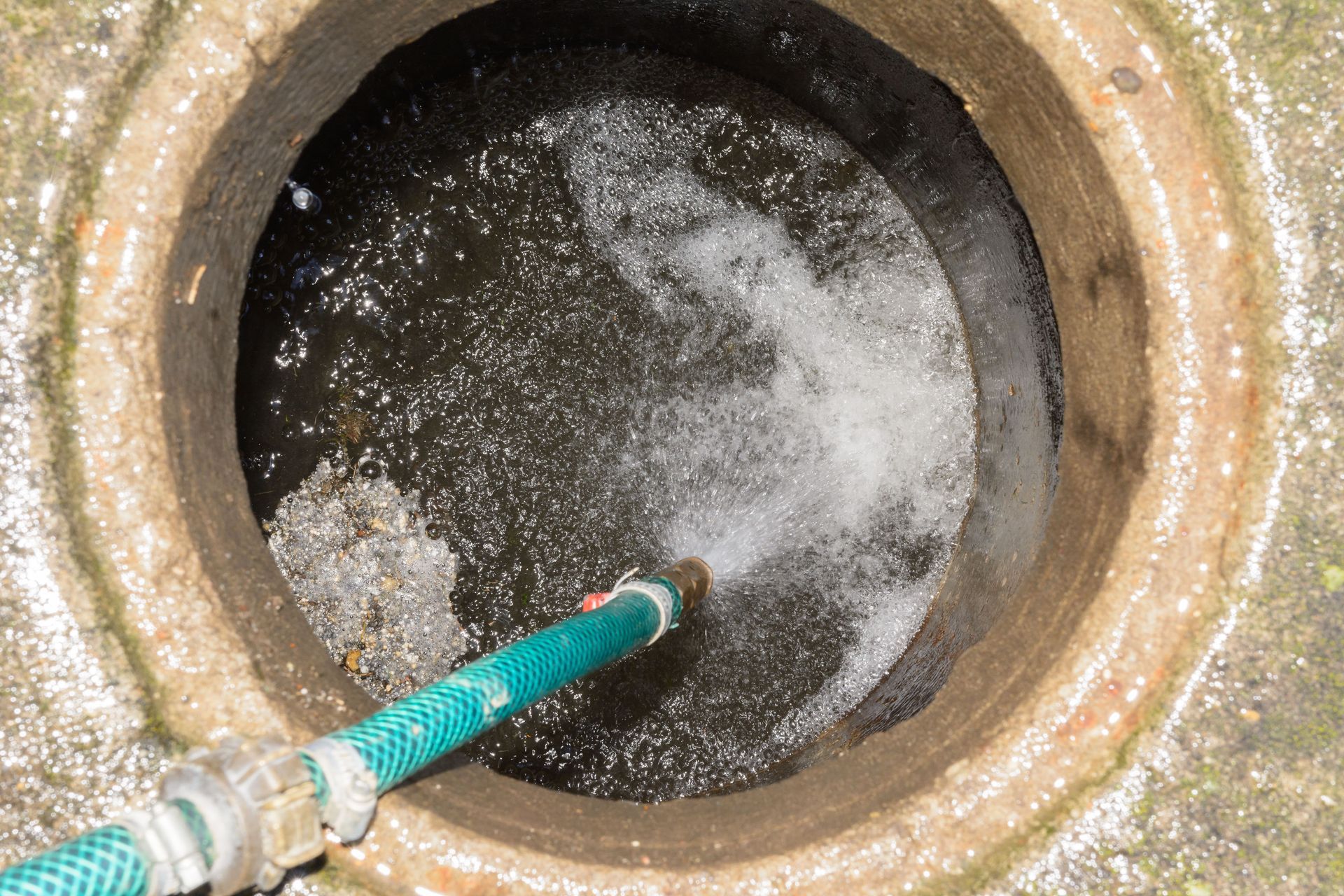
Persistent clogs often point to an issue beyond typical debris buildup. If you find yourself plunging drains frequently, it may indicate deteriorating pipes or plumbing installation problems. A professional plumber can diagnose the root cause and provide effective drain repair, preventing more costly interventions later. Paying attention to how often clogs occur and noticing patterns in their timing or location can provide helpful context for a plumber and make the repair process more efficient. Regular maintenance and awareness can also reduce the likelihood of future blockages.


Location

Clogs that occur in multiple drains throughout your home often signal a larger plumbing problem, such as a blockage in the main sewer line or vent system. Professional plumbers can pinpoint these issues and perform the necessary drain repair to restore proper flow and prevent future disruptions. Even when clogs appear minor in a single area, assessing multiple areas can reveal underlying system-wide concerns. Observing where clogs appear and reporting any patterns can help ensure repairs are thorough and comprehensive. According to Getjobber.com, there are at least 132,000 plumbing businesses in the U.S., highlighting the scale of the industry and the importance of professional services.


Over-the-Counter Solutions

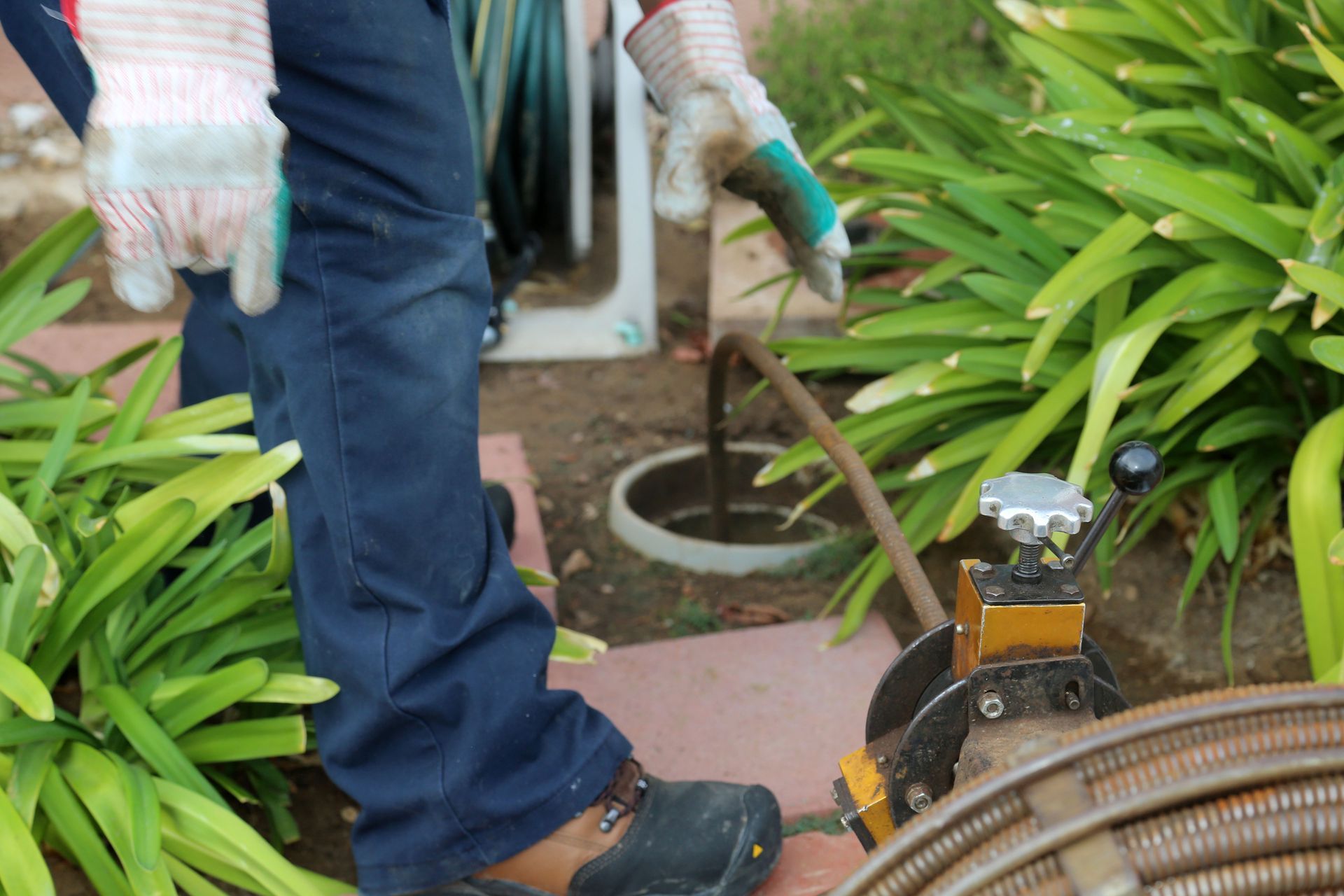
Over-the-counter chemical drain cleaners may offer temporary relief but often fail to address the underlying problem and can even damage pipes. When these basic solutions don't work, it's time to call a plumber for professional drain repair using advanced tools like pipe cameras and hydro jetting. While store-bought products can seem convenient, they rarely address root causes, and recurring problems can develop if issues are not fully resolved. Seeking professional assistance early helps maintain the overall health of your plumbing system and prevents minor issues from becoming more serious complications.


Leaky Faucets and Pipes

Even small drips can lead to significant water waste and damage over time. Spotting leaks early allows for timely repair and helps preserve the integrity of your plumbing system. A professional inspection ensures hidden leaks are detected and addressed efficiently. Being attentive to changes in faucet performance or noticing damp spots under sinks can give early clues. Even minor leaks, if left unaddressed, can gradually worsen, so monitoring fixtures regularly can be a helpful preventative measure and ensures ongoing efficiency.


Leaks on Water Bills

Unnoticed leaks can waste hundreds of gallons of water monthly, resulting in higher utility costs. Professional plumbers can locate and repair these leaks, helping you save money while maintaining your home's plumbing efficiency. Monitoring water usage and comparing monthly bills can also help homeowners detect hidden leaks early. Being proactive about these changes can prevent larger issues and make plumbing repairs more manageable in the long term. Understanding the connection between leaks and billing can provide practical insight into potential plumbing problems.


Structural Damage

Continuous leaks can weaken flooring, drywall, and wooden structures. Timely intervention from a plumber helps prevent water damage, maintaining both the safety and longevity of your home. Even slow leaks can contribute to long-term deterioration if left unaddressed. Observing subtle signs like damp walls, soft spots on floors, or discoloration can prompt timely inspections and repair, reducing the potential for extensive damage later. Taking these precautions also protects the overall value and comfort of your living spaces.


Low Water Pressure

A drop in water pressure from faucets, showers, or appliances may indicate blockages or leaks in your plumbing system. Consulting a professional can identify and correct these issues, restoring optimal water flow. Paying attention to gradual changes in pressure or noticing differences between fixtures can provide clues about the source of the problem. Addressing these early helps maintain the consistency and efficiency of your plumbing system across the home. Regular observation can alert homeowners to minor issues before they develop into larger concerns.


High Water Pressure

Excessive water pressure can strain pipes, fixtures, and appliances, increasing the risk of leaks or bursts. A plumber can assess your system and perform the necessary repairs to prevent damage and maintain proper pressure balance. Observing how appliances and fixtures respond under normal use can offer insight into potential issues. Ensuring pressure levels are within typical ranges helps extend the life of plumbing components and promotes steady water performance. Consistent monitoring supports long-term system stability.


Strange Noises in Pipes

Banging or thumping sounds, sometimes called water hammer, occur when water flow stops suddenly. These noises often indicate plumbing issues that require professional inspection and repair. Paying attention to when noises occur, such as during high water usage, can help identify the source. Regular monitoring of unusual sounds can help homeowners address problems before they lead to further complications or damage. Professional intervention ensures the plumbing system operates safely and quietly.


Foul Odors from Drains

Foul odors from drains can indicate clogged, damaged, or poorly vented pipes. Professional plumbers can inspect your plumbing, clear blockages, and repair any compromised components, restoring safe and proper drainage. Taking note of when odors appear and their intensity can help identify specific problem areas. Routine awareness of smells in different parts of the home can aid in early detection and prevent escalation of plumbing issues. Prompt intervention helps maintain a healthier living environment and prevents potential damage to the plumbing system.


These odors may stem from bacterial growth or stagnant water in pipes. Addressing the source with professional drain repair ensures your plumbing system remains functional and odor-free. Monitoring scent changes over time can help pinpoint emerging concerns. Consistent attention to drain hygiene and performance supports the overall health and comfort of your home's plumbing system. Regular inspections provide peace of mind and help avoid long-term complications.


Visible Water Damage

Brown or yellow stains often signal hidden leaks above, indicating the need for prompt plumbing intervention. Checking ceilings and walls regularly can help detect early signs of leaks. Even subtle changes in color or texture can provide important clues that repairs may be needed, helping homeowners act before more extensive damage occurs. Timely attention helps preserve both the appearance and structural integrity of your home.


Warped Flooring

Warped or swollen floors, particularly in kitchens, bathrooms, or basements, are often caused by moisture infiltration. Professional drain repair and leak detection help prevent further damage and maintain flooring integrity. Observing subtle signs such as soft spots, separation between boards, or uneven surfaces can indicate developing issues. Timely attention can help preserve the aesthetic and functional quality of flooring while avoiding more extensive repairs down the line. Maintaining awareness of floor conditions over time supports the overall care of your home's interior spaces and ensures lasting comfort and safety.


Recognizing the warning signs that plumbing may need attention can help protect your home and prevent more extensive repairs. Whether you're dealing with recurring clogs, leaks, unusual noises, foul odors, or water damage, professional assessment ensures the right solutions are applied. To learn more about drain repair and full-service plumbing solutions in the Raleigh area, reach out to Raleigh Plumbing & Heating, Inc.
drain jetting
February 6, 2026
Learn how drain jetting uses high-pressure water to clear stubborn clogs, remove grease buildup, and keep residential and commercial plumbing flowing smoothly.
sewer line cleaning
January 28, 2026
Regular sewer line cleaning supports system longevity, reduces the likelihood of emergency repairs, and provides peace of mind. Read more now.
plumbing company
December 12, 2025
Are your water pipes showing signs of aging? A plumbing company can inspect, repair, or replace them to prevent leaks, low pressure, and damage.
November 11, 2025
Water heaters are a critical component of any household, providing the necessary hot water for showers, cooking, and cleaning. Understanding the importance of setting the right temperature is crucial for optimizing energy efficiency, ensuring safety, and maintaining comfort. Let's explore the sweet spot in water heater temperature settings, providing insights into the science, health considerations, energy savings, and individual adaptation to enhance your water heating experience. The Science Behind Water Heater Temperature Water heater temperature settings typically range between 40 and 60 degrees Celsius, each degree affecting energy consumption and water pressure. The lower the temperature, the less energy is used, but this may compromise the comfort and efficiency of daily household activities. On the other hand, setting it too high increases risks such as scalding and energy wastage. Understanding these settings allows homeowners to strike a balance between saving energy and maintaining a consistent water supply. According to AOS Bath, setting your water heater to 50 degrees Celsius can help you shower smartly, save money, and keep your family safe. The temperature at which your water heater operates directly impacts energy consumption levels. Higher settings require more energy, leading to increased utility bills and potentially higher carbon footprints. Conversely, lower temperatures require less energy, promoting environmental sustainability and energy savings. Striking a balance in your water heater's setting can significantly contribute to reducing operational costs while meeting household needs. Thermostats play a pivotal role in regulating water heater temperatures, ensuring consistency and efficiency. Modern water heaters come equipped with advanced thermostatic controls that enhance the precision of temperature settings. By accurately controlling the water temperature, thermostats help mitigate risks associated with both underheating and overheating. Additionally, they offer homeowners the convenience of adjusting settings based on their specific preferences and needs. Water heater temperature affects not only energy and safety but also water pressure levels. Higher temperatures can cause increased pressure, potentially leading to system failures or plumbing issues. Understanding how temperature correlates with pressure helps in optimizing water supply efficiency while mitigating the risk of damages. Maintaining a balanced temperature is integral to ensuring consistent water flow and pressure within the household. Health and Safety Considerations Scalding is a significant risk associated with excessive water heater temperatures, especially in households with vulnerable individuals like children and the elderly. Water set above 60 degrees Celsius can cause severe burns almost instantly, underscoring the importance of regulated settings. Preventing scalding involves not only setting appropriate temperatures but also installing anti-scald devices where necessary. Being aware of scalding risks prompts caution and proactive adjustments to water heater settings. Legionella bacteria thrive in warm water environments, presenting a significant health risk if water heaters are set too low. Temperatures around 40 degrees Celsius can create favorable conditions for bacterial growth, leading to Legionnaires' disease, a potentially fatal respiratory illness. Therefore, maintaining a minimum temperature of 50 degrees Celsius or higher is crucial to inhibit bacterial proliferation. According to health experts, ensuring water temperatures are above this threshold is vital for preventing bacterial contamination and safeguarding household health. Achieving a balance between safety and comfort is pivotal when determining the ideal water heater temperature. Too low settings may compromise appliance efficiency and user comfort, while excessively high settings pose scalding risks. Homeowners must consider personal comfort preferences alongside safety guidelines to determine suitable temperature settings. Regular reviews and adjustments based on changing needs and seasonality can help maintain this balance effectively. Special consideration is necessary for protecting vulnerable populations, such as young children and the elderly, from temperature-related risks. These groups are more susceptible to burns and the adverse impacts of bacteria exposure, necessitating careful monitoring and temperature adjustments. Installing anti-scald devices and thermostatic mixing valves can provide an additional layer of protection. Educational efforts focused on temperature awareness and proactive management are vital in safeguarding these populations. Energy Efficiency and Cost Savings Setting your water heater at optimum temperatures plays an essential role in achieving energy savings. Maintaining a moderate temperature, such as 50 degrees Celsius, helps balance energy consumption with household demands. By avoiding excessively high temperatures, homeowners can reduce energy expenditures without sacrificing functionality or comfort. Efficient temperature management complements broader sustainability efforts, benefiting both finances and the environment. The long-term cost benefits of setting the right water heater temperature are considerable. Reduced energy usage translates into lower utility bills, offering substantial savings over time. Additionally, optimizing temperatures prolongs the lifespan of your water heater, reducing the frequency and expense of repairs or replacements. Investing in energy-efficient practices not only increases immediate savings but also contributes to overall financial stability in the long run. Energy bills are largely influenced by water heater settings, providing an opportunity for significant reductions with optimal management. Setting a moderate temperature can lower monthly energy expenses, offering immediate financial relief. The cumulative effect of these savings is substantial, especially in households with high water heating demands. Implementing efficient temperature settings becomes a tangible means of managing energy costs effectively. Upgrading to energy-efficient water heater models enhances the benefits of optimal temperature management. These advanced systems incorporate technologies that allow precise temperature control while maximizing energy savings. Investing in an energy-efficient model offers convergence between sustainability and personal comfort. Over time, the initial investment in upgraded models is offset by long-term savings and reduced environmental impact. Determining Your Personal Sweet Spot Determining the ideal water heater temperature setting requires a personalized assessment of your home's specific needs. Consideration of daily water usage patterns, climate conditions, and appliance demands is key in identifying suitable settings. A nuanced understanding of these factors assists in tailoring temperature settings that fulfill unique household responsibilities. To maintain efficiency and satisfaction, ongoing evaluation and adaptation of setting strategies are necessary. Family size and water usage patterns significantly influence the ideal setting for your water heater. Larger households may require slightly higher temperatures to accommodate increased hot water demands. Conversely, smaller families may achieve greater energy savings by setting lower temperatures suitable for their needs. Recognizing and adapting settings according to family dynamics promotes both efficiency and satisfaction. User comfort and individual preferences are essential considerations in establishing personalized water heater settings. While efficiency and safety provide foundational guidance, accommodating specific comfort levels enhances satisfaction with daily experiences. Experimenting with different settings can help identify options that fulfill both practical and personal preferences. Awareness of household needs fosters continuous adaptation and satisfaction with temperature management strategies. Conducting a temperature test is an essential practice in determining the optimal setting for your water heater. By measuring temperatures at points of use, such as faucets and showers, homeowners gain insights into how settings translate into actual experiences. This practice allows for precise adjustments to achieve desired temperature levels in line with comfort and safety goals. Regular temperature tests at different times and fixtures provide a comprehensive understanding for effective settings. Finding the sweet spot for your water heater temperature setting is integral to achieving an efficient, safe, and comfortable household. This article highlights the scientific principles, health and safety considerations, energy efficiency prospects, and personal adaptation necessary for optimal water heater management. Regular reviews and mindful adjustments aid in maintaining ideal settings that adapt to changing household needs and environmental considerations. Empowerment through knowledge and proactive involvement in temperature management fosters sustainable and satisfactory water heating practices, enhancing overall quality of life. For expert assistance with your water heater and plumbing needs, visit Raleigh Plumbing & Heating, Inc. today.
water heater replacement
November 10, 2025
Are you looking for a water heater replacement? Reach out to the professionals at Raleigh Plumbing & Heating, Inc. today for quality service!
plumbing company
November 7, 2025
Let's cover the most common warning signs of a hidden water leak, where to look for them, and how a professional plumbing company can help.
water heaters
October 1, 2025
Explore the fascinating history of water heaters, and trust Raleigh Plumbing & Heating, Inc for expert service, installation, and reliable repairs.
drain jetting
September 25, 2025
Are you wondering if your home needs drain jetting? Here are some of the top signs that it's time to call in the professionals.
plumbing company
May 20, 2025
There are a few great ways a plumbing company can save you money in the long run. Keep reading or contact us today to learn more.
clogged drain repair
February 26, 2025
Are you in need of clogged drain repair? In this article, we discuss the common plumbing issues and how to deal with them.