
8 Plumbing Issues Sewer Line Cleaning Helps Prevent
Sewer line problems can escalate quickly if not addressed properly, causing costly damage and major disruptions. Regular sewer line cleaning is a proactive step that can prevent a variety of plumbing issues before they become emergencies. By understanding the common problems it helps avoid, property owners can make informed decisions about maintenance and service. Early intervention also helps avoid long-term damage to connected systems, reducing the need for complex repairs that can disrupt daily operations.
1. Preventing Blockages from Debris Buildup
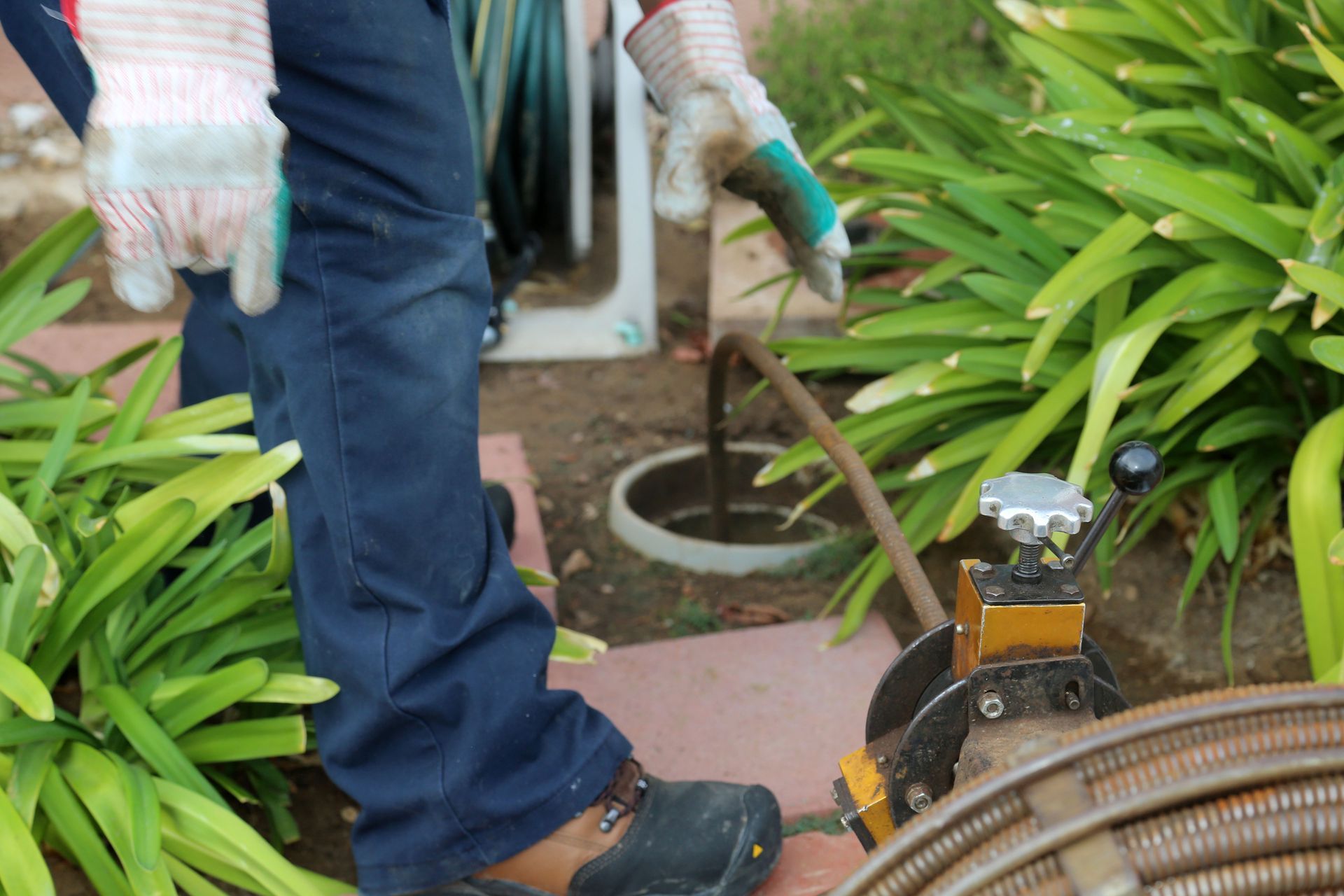
Over time, pipes accumulate debris such as hair, grease, soap scum, and small objects that accidentally enter drains. This buildup can restrict water flow, eventually leading to partial or complete blockages. Blocked sewer lines often cause slow drains, gurgling sounds, and unpleasant odors. Sewer line cleaning removes these obstructions and restores proper flow, reducing the risk of larger clogs that require extensive repairs.
Regular maintenance through sewer line cleaning also improves the efficiency of connected fixtures. When drains operate without obstruction, water pressure remains consistent, sinks and tubs drain quickly, and the overall plumbing system functions more smoothly. Routine cleaning can also highlight potential trouble spots in the system, helping professionals target problem areas before they develop into serious clogs. This proactive approach reduces the likelihood of emergency calls and the stress associated with unexpected plumbing problems.
2. Avoiding Tree Root Intrusions
One of the most common causes of sewer line damage is tree root intrusion. Roots naturally seek out water and nutrients, and underground pipes are an ideal target. When roots penetrate sewer lines, they can crack or collapse the pipe, creating leaks and severe blockages. Regular sewer line cleaning can detect early signs of root intrusion and prevent extensive damage by removing small obstructions before they worsen.
In addition to preventing blockages, early detection of roots through professional cleaning allows for timely interventions. Addressing root encroachment before it grows deep into the pipe minimizes excavation costs and limits disruption to landscaping. Regular monitoring also provides insight into areas where roots are particularly aggressive, allowing property owners to take preemptive action and avoid major repairs that could impact surrounding structures or vegetation.
3. Minimizing Pipe Corrosion and Wear
Metal and clay pipes can degrade over time due to natural corrosion or chemical reactions with wastewater. Sewer line cleaning helps by removing buildup that accelerates corrosion, such as mineral deposits or acidic substances. By maintaining clear pipes, cleaning slows the deterioration process, prolonging the life of the sewer system and reducing the frequency of costly pipe replacements.
Regular cleaning also supports more accurate inspection of pipe conditions. With debris and buildup removed, professionals can better assess the internal structure of pipes, identify areas of wear, and recommend timely maintenance or replacement. Maintaining pipes in good condition also contributes to water efficiency and prevents leaks that could compromise surrounding infrastructure, providing long-term savings for property owners.
4. Reducing Risk of Sewage Backup
Sewage backups are disruptive and hazardous, often leading to water damage and unsanitary conditions. Many backups are caused by blockages, root intrusion, or pipe collapse. Professional sewer line cleaning keeps lines clear, allowing wastewater to flow smoothly and preventing backups that could damage property and pose health risks. Prompt attention to potential blockages is critical to maintaining safe and functioning plumbing systems.
Additionally, preventing backups reduces exposure to bacteria and pathogens commonly found in wastewater. Maintaining a clean sewer line also minimizes the chance of extensive cleanup and structural damage in case of unexpected blockages. Professional cleaning keeps the system operating efficiently, providing peace of mind for property owners while avoiding the cost and inconvenience of emergency interventions.
5. Preventing Foul Odors and Air Quality Issues
Accumulated debris, grease, and stagnant water in sewer lines can produce strong, unpleasant odors that affect indoor air quality. Over time, these odors can seep into living or working spaces, creating discomfort and potential health concerns. Sewer line cleaning eliminates the sources of odor, maintaining a cleaner environment and minimizing the presence of harmful gases such as hydrogen sulfide.
Consistent cleaning also improves the overall experience of using plumbing fixtures. Odor-free drains and smooth-flowing wastewater reduce complaints from tenants, employees, or visitors and contribute to a more pleasant and hygienic environment. In addition, by keeping sewer lines clear, cleaning helps prevent secondary odor issues that can arise from hidden buildup or small leaks, supporting a healthier and more comfortable property.
6. Detecting Hidden Cracks and Leaks Early
Cracks or leaks in sewer pipes often go unnoticed until significant damage occurs. Early detection is essential to avoid structural damage, soil erosion, and water contamination. While sewer line cleaning primarily removes obstructions, professional inspections conducted during cleaning can identify early signs of cracking or leaking. Addressing these issues promptly prevents larger repairs and preserves the integrity of the plumbing system.
Identifying small leaks early also reduces water loss and prevents long-term issues such as mold growth or foundation damage. Regular sewer line cleaning acts as a preventative checkpoint, giving professionals the opportunity to spot vulnerabilities before they escalate into expensive or hazardous problems. Consistent attention to pipe integrity also helps property owners plan for future maintenance and manage long-term costs more effectively.
7. Limiting Infiltration of Contaminants
Broken or damaged sewer lines can allow contaminants from soil, groundwater, or surrounding infrastructure to enter the system. This infiltration not only affects water quality but can also introduce bacteria and debris that exacerbate blockages. Regular sewer line cleaning reduces the accumulation of unwanted materials and supports the overall health of the plumbing network.
By limiting contamination, sewer line cleaning also reduces risks to connected plumbing systems, such as water treatment units, pumps, or septic components. Preventing outside substances from entering pipes keeps systems running efficiently and avoids additional repair costs associated with cross-contamination. Regular monitoring also helps property owners comply with health and safety standards, reducing potential liabilities associated with contaminated wastewater.
8. Supporting Overall Plumbing System Health
A well-maintained sewer line contributes to the efficiency and longevity of the entire plumbing system. Clear, unobstructed pipes allow water to flow freely, reducing strain on pumps, fixtures, and other plumbing components. Sewer line cleaning is a proactive measure that helps sustain system performance, reducing the likelihood of emergency repairs and service interruptions.
Sustained maintenance also protects investment in a property’s plumbing infrastructure. By keeping sewer lines functioning optimally, property owners preserve the value of their plumbing systems, prevent unnecessary replacements, and promote reliable operation across residential or commercial facilities. Routine cleaning also enhances the efficiency of water use throughout the property, reducing energy consumption and supporting long-term operational cost savings.
The plumbing industry has experienced steady growth, reflecting increasing attention to maintenance and preventive care. According to Linxup, the plumbing industry saw average annual growth of about 3.2% over the five years leading up to 2025. This trend highlights the rising demand for preventive services like sewer line cleaning, as property owners recognize the value of addressing minor issues before they escalate.
As industry growth continues, professional maintenance practices are becoming more accessible and efficient. Advancements in cleaning techniques, inspection tools, and preventive protocols allow service providers to deliver thorough sewer line cleaning that reduces future problems while maintaining minimal disruption to property use.
Sewer line cleaning plays a vital role in preventing blockages, root intrusion, corrosion, backups, foul odors, leaks, and contamination. By seeking professional help, property owners can protect their plumbing systems and avoid costly damage. For comprehensive maintenance and preventive care, schedule regular sewer line cleaning with Raleigh Plumbing & Heating, Inc today to keep your system flowing efficiently and safely.
Share On: