Why You Should Act Swiftly With Clogged Drain Repairs
A slow or blocked drain can seem minor. However, drainage problems can worsen, affect other fixtures, and disrupt daily routines. Acting early gives a plumber a chance to identify the cause before a partial blockage becomes a complete backup.
According to the EPA, about 10% of U.S. homes have leaks that waste 90 gallons of water or more each day. A clog is different from a leak, but both show why unresolved plumbing problems deserve attention. Scheduling clogged drain repairs promptly can restore normal drainage and help determine whether the blockage points to a larger issue.
Slow Drainage Is Often the First Warning
Many drain problems begin gradually. Water may take longer to leave a sink, shower, or tub, and homeowners may continue using the fixture because it still works. That slowdown can indicate that debris is narrowing the space inside the pipe.
Hair, soap residue, grease, food particles, and other materials can collect over time. The cause depends on the fixture and plumbing system. A kitchen sink may develop a different blockage from a bathroom drain, while recurring problems can point to an issue farther along the line.
We provide drain cleaning using methods selected for the situation. Addressing a slowdown before the drain stops completely can reduce household disruption.
Complete Blockages Can Interrupt Daily Routines
Once a drain stops moving water, normal activities become difficult. A blocked kitchen sink interferes with cooking and cleanup. A clogged shower or bathtub can make bathing inconvenient, while a blocked bathroom sink affects daily routines.
Continuing to run water into a clogged fixture can cause it to overflow. That can spread water onto floors, cabinets, or nearby finishes. The safest response is to stop using the affected fixture and arrange for clogged drain repairs rather than repeatedly adding water or chemical products.
Our service department handles routine drain cleaning and emergency plumbing calls. If water is backing up, we can evaluate the system and determine an appropriate clearing method.
Recurring Clogs May Point to a Deeper Problem
A drain that clogs once may have a localized obstruction. A drain that repeatedly slows or blocks after clearing deserves closer attention. Repeated symptoms can indicate that the original blockage was not fully removed or that a problem exists farther inside the piping.
Several fixtures draining slowly at the same time can be important to report. That pattern may suggest a restriction in a shared branch line or another part of the drainage system rather than separate clogs at each fixture.
We use equipment to diagnose and clear stubborn blockages. Depending on the condition, that may include augers, snaking tools, flushing methods, or hydro jetting for heavier buildup. The goal is to address the source instead of repeatedly treating the same symptom.
Backups Can Create Water Damage Concerns
A clogged drain becomes more urgent when water begins backing up into a sink, tub, shower, floor drain, or another fixture. Once water leaves the plumbing system and reaches materials, the issue is no longer limited to drainage.
Cabinetry, flooring, drywall, and belongings can be affected by an overflow. Wastewater backups require caution because the water may contain contaminants and should not be treated like a clean spill.
Prompt clogged drain repairs can stop the plumbing problem from continuing while the affected area is evaluated separately for cleanup or restoration needs. We recommend avoiding the affected fixture until the blockage has been professionally assessed.
Unpleasant Odors Can Signal Trapped Material
Persistent odors from a drain can indicate organic material, grease, food waste, or other debris collecting inside the plumbing. The smell may become more noticeable when water drains slowly or when residue remains in the pipe over time.
Odor alone does not identify the exact problem. Dry traps, venting issues, sewer problems, and other conditions can also produce unusual smells near plumbing fixtures. That is why diagnosis matters when an odor continues after routine cleaning.
Our technicians can inspect the drain and determine whether a blockage, buildup, or another plumbing condition is contributing. Clearing the source is more useful than repeatedly masking the odor.
Grease and Food Waste Can Build Up Gradually
Kitchen drains are especially vulnerable to buildup because cooking oils, grease, food particles, and soap can enter the piping. Grease may move while warm but cool and adhere to the inside of the pipe, where other debris can collect around it.
Over time, the opening can become smaller, causing slower drainage and eventually a blockage. Garbage disposals can process food waste, but not every substance belongs in the drain.
If a kitchen drain keeps slowing down, clogged drain repairs can help determine how far the buildup extends. We can use appropriate cleaning equipment based on the severity and exact location of the obstruction rather than relying on repeated temporary fixes.
Tree Roots and Older Piping Can Complicate Drain Problems
Not every clog comes from something entering a sink or shower. Underground drainage and sewer lines can develop problems related to pipe condition, shifting, or root intrusion. These issues may cause repeated backups even with reasonable drain habits.
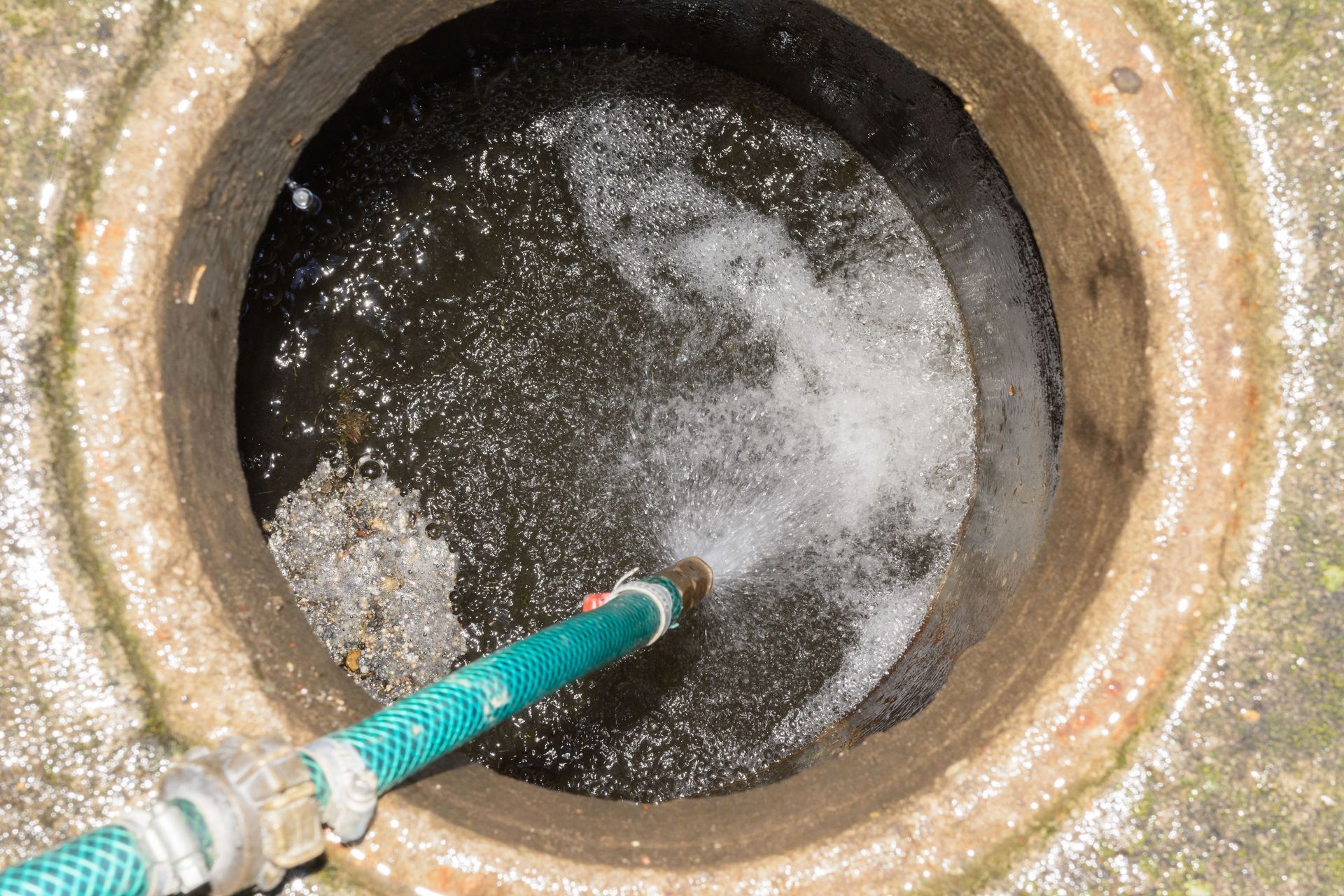
Our team uses hydro jetting for certain stubborn blockages involving grease, mineral scale, roots, and other heavy debris. The correct approach depends on the condition of the piping, so evaluation is important before using high-pressure cleaning methods.
When a drain problem keeps returning, identifying the condition of the line can help determine whether cleaning is enough or whether the plumbing needs repair.
DIY Methods Have Limits
A plunger or simple drain tool may help with a minor clog, but repeated attempts can be counterproductive when the blockage is deeper or the pipe has another problem. Chemical drain cleaners also require care because products differ and may not suit every plumbing material or obstruction.
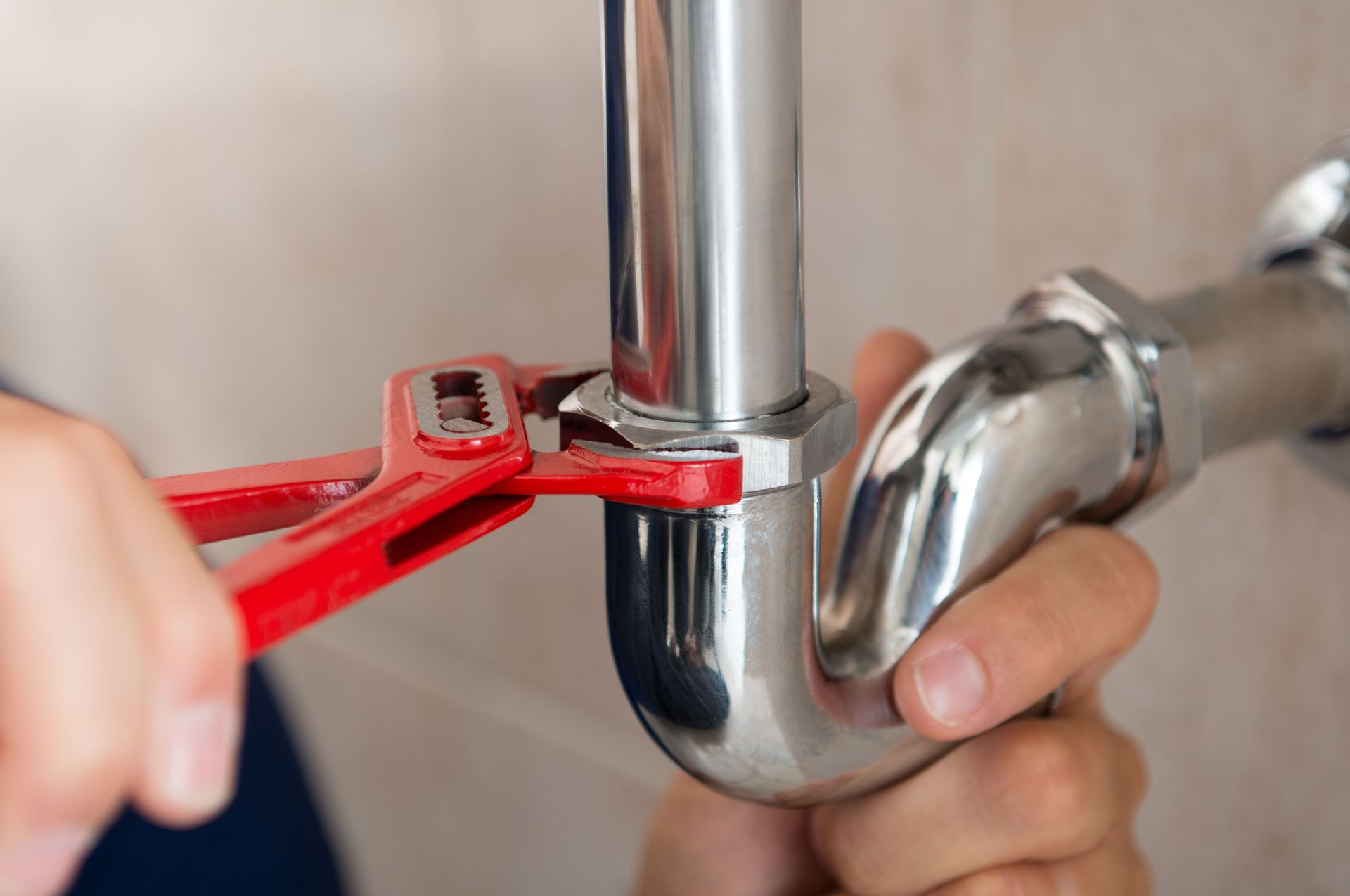
If the fixture repeatedly backs up, several drains are affected, or there is standing wastewater, professional service is a better next step. A plumber can choose tools based on the location and cause of the blockage.
Calling for clogged drain repairs also helps avoid spending time on repeated temporary solutions when the drain needs a more thorough cleaning or the piping itself needs attention.
Emergency Service Matters When a Backup Cannot Wait
Some clogs can be scheduled during normal business hours. Others become urgent because a toilet is overflowing, wastewater is backing up, multiple fixtures are unusable, or water is spreading into the property.
We provide 24/7 after-hours emergency plumbing service for problems that cannot wait. When you call, describe which fixtures are affected, whether water is backing up, and whether several drains are involved.
That information can help the technician understand the scope of the problem before arriving. Until service is completed, avoid using fixtures that appear connected to the blockage if doing so causes backup.
Address the Problem Before It Becomes More Disruptive
Clogged drains are easy to dismiss when they begin with slow water. The problem deserves attention when drainage worsens, odors persist, several fixtures are affected, or water begins backing up. Acting early can restore normal use and clarify whether a larger plumbing issue is developing.
Raleigh Plumbing & Heating, Inc. is a family-owned local company serving the Triangle area for more than three decades. We provide residential and commercial plumbing, drain cleaning, hydro jetting, emergency service, and support for both simple and complex drainage problems.
If you are dealing with a slow, recurring, or fully blocked drain, contact Raleigh Plumbing & Heating, Inc. for clogged drain repairs. Our team can evaluate the problem, explain what is causing it, and use professional equipment to clear the obstruction or recommend additional service when the drainage issue involves more than a simple clog.

Share On: