4 Benefits of Drain Jetting

July 1, 2024

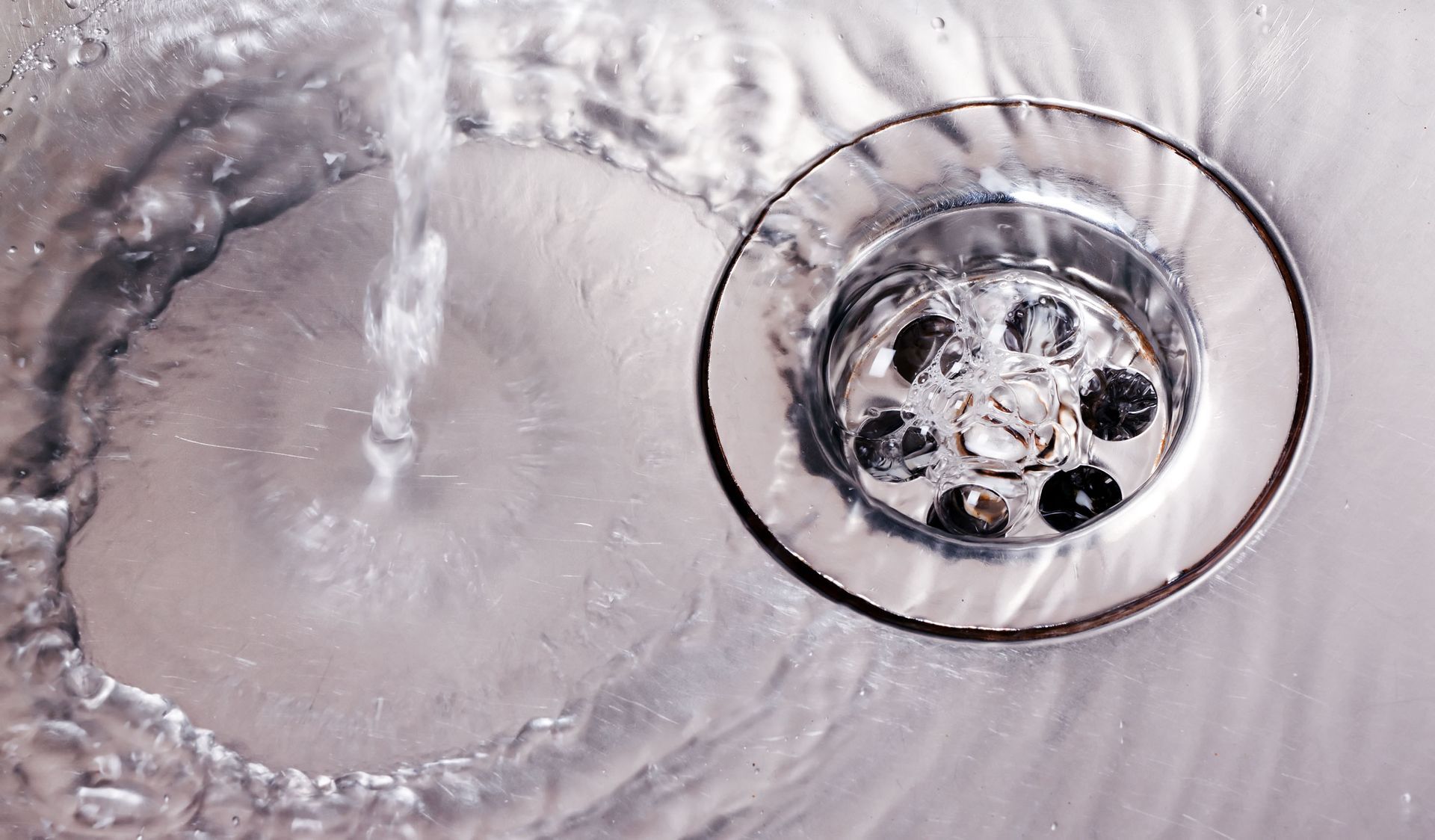
If you're on the fence about the differences between drain jetting and traditional drain cleaning, you're not alone: these procedures provide many unique benefits. However, drain cleaning with a concentrated blast of water has become the most popular cleaning method for many homeowners and companies, and for good reason. Read on to learn more about the benefits of opting for drain jetting services with Raleigh Plumbing & Heating, Inc.


1. Amazing Cleaning Speed

If you want your drains cleaned quickly and efficiently, drain jetting is an excellent and quick method. According to Sewer Equipment, drain jets produce up to 5,000 PSI pressure while cleaning! This high pressure is what allows waste to be drained very easily in a short period of time. Even better, the fact that the pressure is within your system’s stress levels means that you don’t have to worry about unnecessary damage.


2. Environmentally Sound

Unlike other types of cleaning methods, drain jetting is environmentally sound because it only uses water! That water is captured as much as possible to prevent waste and cycled back into the system. The purpose here is two-fold. You can save money and the environment. If you're passionate about the environment, this could be the option for you.


3. Prevents Serious Damage

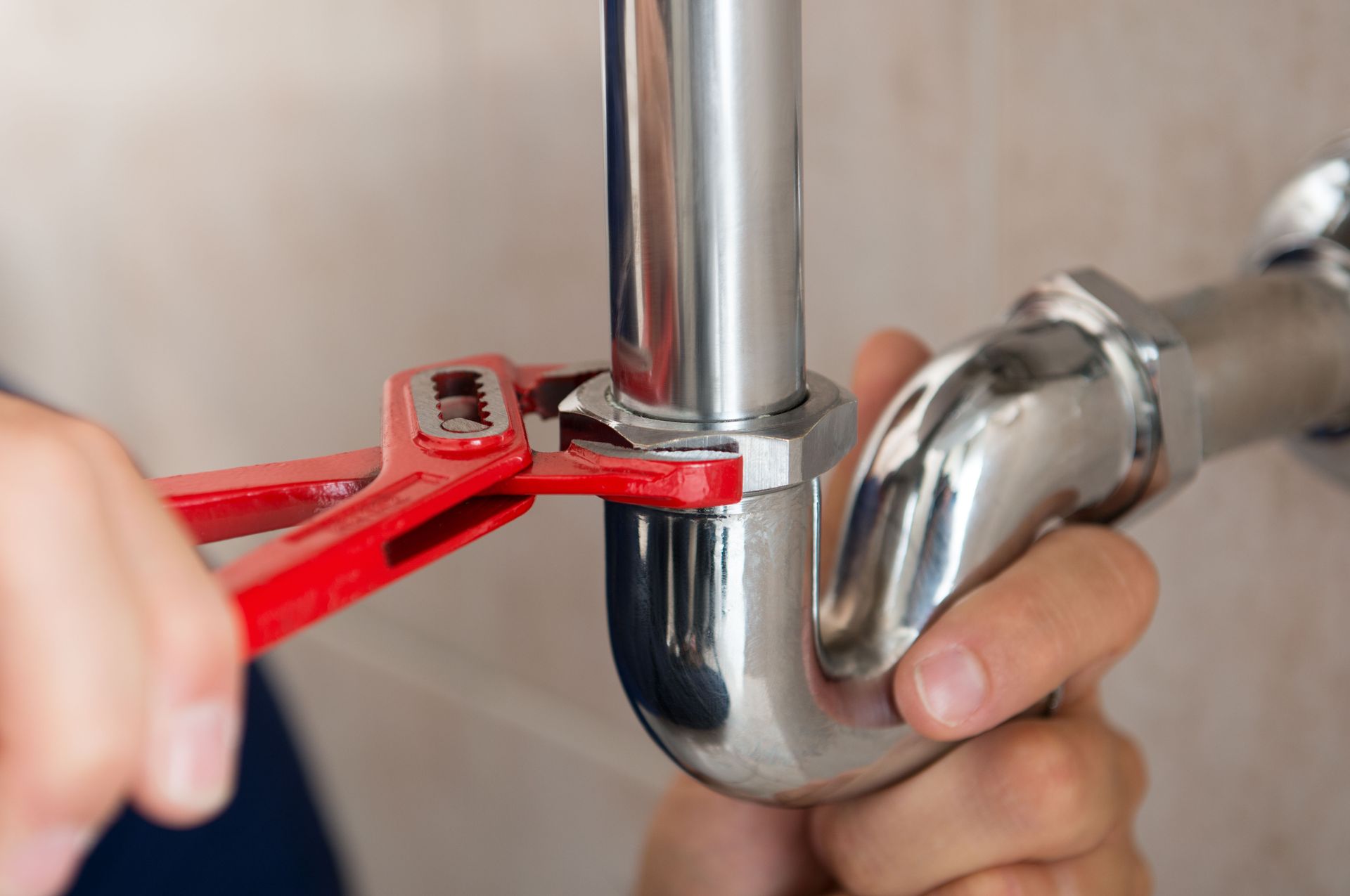
Drain jetting can prevent many problems. First and foremost, it prevents future clogs by blasting out potential obstructions and helps break apart any current buildups. That’s great in and of itself, but there are even more ways this method of cleaning prevents damage. For example, by jetting your drains with a skilled team, you can get an in-depth inspection from experts, which means they will identify things others might miss.


4. Versatile and Effective

Jetting isn’t just used for one thing; in fact, it helps with many types of problems. Typically, it works best for homes or businesses that need a high-powered solution. For instance, homeowners can use it to clear their kitchen sink drains of food particles and grease if they don't have a garbage disposal. Larger waste management companies can use these services to clean sewer pipes that run to residential areas or commercial properties. That's the fascinating thing about this process; it can clean a variety of pipes with relative ease. At Raleigh Plumbing & Heating, Inc, we can help with both residential and commercial problems.


These advantages make professional drain jetting one of the most popular treatments available for plumbing systems. They're particularly amazing if you often run into clogging problems and need a solution that makes sense for your budget. Don't hesitate to contact us to learn more about this process — we’ll do whatever we can to make sure you get help here. Contact our team today at Raleigh Plumbing & Heating, Inc.
plumbing company
December 12, 2025
Are your water pipes showing signs of aging? A plumbing company can inspect, repair, or replace them to prevent leaks, low pressure, and damage.
November 11, 2025
Water heaters are a critical component of any household, providing the necessary hot water for showers, cooking, and cleaning. Understanding the importance of setting the right temperature is crucial for optimizing energy efficiency, ensuring safety, and maintaining comfort. Let's explore the sweet spot in water heater temperature settings, providing insights into the science, health considerations, energy savings, and individual adaptation to enhance your water heating experience. The Science Behind Water Heater Temperature Water heater temperature settings typically range between 40 and 60 degrees Celsius, each degree affecting energy consumption and water pressure. The lower the temperature, the less energy is used, but this may compromise the comfort and efficiency of daily household activities. On the other hand, setting it too high increases risks such as scalding and energy wastage. Understanding these settings allows homeowners to strike a balance between saving energy and maintaining a consistent water supply. According to AOS Bath, setting your water heater to 50 degrees Celsius can help you shower smartly, save money, and keep your family safe. The temperature at which your water heater operates directly impacts energy consumption levels. Higher settings require more energy, leading to increased utility bills and potentially higher carbon footprints. Conversely, lower temperatures require less energy, promoting environmental sustainability and energy savings. Striking a balance in your water heater's setting can significantly contribute to reducing operational costs while meeting household needs. Thermostats play a pivotal role in regulating water heater temperatures, ensuring consistency and efficiency. Modern water heaters come equipped with advanced thermostatic controls that enhance the precision of temperature settings. By accurately controlling the water temperature, thermostats help mitigate risks associated with both underheating and overheating. Additionally, they offer homeowners the convenience of adjusting settings based on their specific preferences and needs. Water heater temperature affects not only energy and safety but also water pressure levels. Higher temperatures can cause increased pressure, potentially leading to system failures or plumbing issues. Understanding how temperature correlates with pressure helps in optimizing water supply efficiency while mitigating the risk of damages. Maintaining a balanced temperature is integral to ensuring consistent water flow and pressure within the household. Health and Safety Considerations Scalding is a significant risk associated with excessive water heater temperatures, especially in households with vulnerable individuals like children and the elderly. Water set above 60 degrees Celsius can cause severe burns almost instantly, underscoring the importance of regulated settings. Preventing scalding involves not only setting appropriate temperatures but also installing anti-scald devices where necessary. Being aware of scalding risks prompts caution and proactive adjustments to water heater settings. Legionella bacteria thrive in warm water environments, presenting a significant health risk if water heaters are set too low. Temperatures around 40 degrees Celsius can create favorable conditions for bacterial growth, leading to Legionnaires' disease, a potentially fatal respiratory illness. Therefore, maintaining a minimum temperature of 50 degrees Celsius or higher is crucial to inhibit bacterial proliferation. According to health experts, ensuring water temperatures are above this threshold is vital for preventing bacterial contamination and safeguarding household health. Achieving a balance between safety and comfort is pivotal when determining the ideal water heater temperature. Too low settings may compromise appliance efficiency and user comfort, while excessively high settings pose scalding risks. Homeowners must consider personal comfort preferences alongside safety guidelines to determine suitable temperature settings. Regular reviews and adjustments based on changing needs and seasonality can help maintain this balance effectively. Special consideration is necessary for protecting vulnerable populations, such as young children and the elderly, from temperature-related risks. These groups are more susceptible to burns and the adverse impacts of bacteria exposure, necessitating careful monitoring and temperature adjustments. Installing anti-scald devices and thermostatic mixing valves can provide an additional layer of protection. Educational efforts focused on temperature awareness and proactive management are vital in safeguarding these populations. Energy Efficiency and Cost Savings Setting your water heater at optimum temperatures plays an essential role in achieving energy savings. Maintaining a moderate temperature, such as 50 degrees Celsius, helps balance energy consumption with household demands. By avoiding excessively high temperatures, homeowners can reduce energy expenditures without sacrificing functionality or comfort. Efficient temperature management complements broader sustainability efforts, benefiting both finances and the environment. The long-term cost benefits of setting the right water heater temperature are considerable. Reduced energy usage translates into lower utility bills, offering substantial savings over time. Additionally, optimizing temperatures prolongs the lifespan of your water heater, reducing the frequency and expense of repairs or replacements. Investing in energy-efficient practices not only increases immediate savings but also contributes to overall financial stability in the long run. Energy bills are largely influenced by water heater settings, providing an opportunity for significant reductions with optimal management. Setting a moderate temperature can lower monthly energy expenses, offering immediate financial relief. The cumulative effect of these savings is substantial, especially in households with high water heating demands. Implementing efficient temperature settings becomes a tangible means of managing energy costs effectively. Upgrading to energy-efficient water heater models enhances the benefits of optimal temperature management. These advanced systems incorporate technologies that allow precise temperature control while maximizing energy savings. Investing in an energy-efficient model offers convergence between sustainability and personal comfort. Over time, the initial investment in upgraded models is offset by long-term savings and reduced environmental impact. Determining Your Personal Sweet Spot Determining the ideal water heater temperature setting requires a personalized assessment of your home's specific needs. Consideration of daily water usage patterns, climate conditions, and appliance demands is key in identifying suitable settings. A nuanced understanding of these factors assists in tailoring temperature settings that fulfill unique household responsibilities. To maintain efficiency and satisfaction, ongoing evaluation and adaptation of setting strategies are necessary. Family size and water usage patterns significantly influence the ideal setting for your water heater. Larger households may require slightly higher temperatures to accommodate increased hot water demands. Conversely, smaller families may achieve greater energy savings by setting lower temperatures suitable for their needs. Recognizing and adapting settings according to family dynamics promotes both efficiency and satisfaction. User comfort and individual preferences are essential considerations in establishing personalized water heater settings. While efficiency and safety provide foundational guidance, accommodating specific comfort levels enhances satisfaction with daily experiences. Experimenting with different settings can help identify options that fulfill both practical and personal preferences. Awareness of household needs fosters continuous adaptation and satisfaction with temperature management strategies. Conducting a temperature test is an essential practice in determining the optimal setting for your water heater. By measuring temperatures at points of use, such as faucets and showers, homeowners gain insights into how settings translate into actual experiences. This practice allows for precise adjustments to achieve desired temperature levels in line with comfort and safety goals. Regular temperature tests at different times and fixtures provide a comprehensive understanding for effective settings. Finding the sweet spot for your water heater temperature setting is integral to achieving an efficient, safe, and comfortable household. This article highlights the scientific principles, health and safety considerations, energy efficiency prospects, and personal adaptation necessary for optimal water heater management. Regular reviews and mindful adjustments aid in maintaining ideal settings that adapt to changing household needs and environmental considerations. Empowerment through knowledge and proactive involvement in temperature management fosters sustainable and satisfactory water heating practices, enhancing overall quality of life. For expert assistance with your water heater and plumbing needs, visit Raleigh Plumbing & Heating, Inc. today.
water heater replacement
November 10, 2025
Are you looking for a water heater replacement? Reach out to the professionals at Raleigh Plumbing & Heating, Inc. today for quality service!
plumbing company
November 7, 2025
Let's cover the most common warning signs of a hidden water leak, where to look for them, and how a professional plumbing company can help.
water heaters
October 1, 2025
Explore the fascinating history of water heaters, and trust Raleigh Plumbing & Heating, Inc for expert service, installation, and reliable repairs.
drain jetting
September 25, 2025
Are you wondering if your home needs drain jetting? Here are some of the top signs that it's time to call in the professionals.
plumbing company
May 20, 2025
There are a few great ways a plumbing company can save you money in the long run. Keep reading or contact us today to learn more.
clogged drain repair
February 26, 2025
Are you in need of clogged drain repair? In this article, we discuss the common plumbing issues and how to deal with them.
plumbing company
January 24, 2025
When plumbing issues arise, choosing the right plumbing company is crucial. Explore questions that guide your discussion with any potential plumbing service.
drain repairs
December 23, 2024
Drain repairs can be confusing to those who are unfamiliar. Here are a few reasons to call a professional for your drain repair needs.