
How to Spot Hidden Water Leaks Before They Cause Major Structural Damage
Water leaks are among the most frustrating issues a property owner can face because they rarely announce themselves with a dramatic burst pipe. Instead, the vast majority of plumbing failures occur silently behind walls, beneath concrete slabs, and under flooring, quietly rotting structural supports and driving up utility bills. Catching these hidden threats early is the absolute best way to protect your investment and avoid catastrophic restoration costs.
Monitoring Your Monthly Water Bills
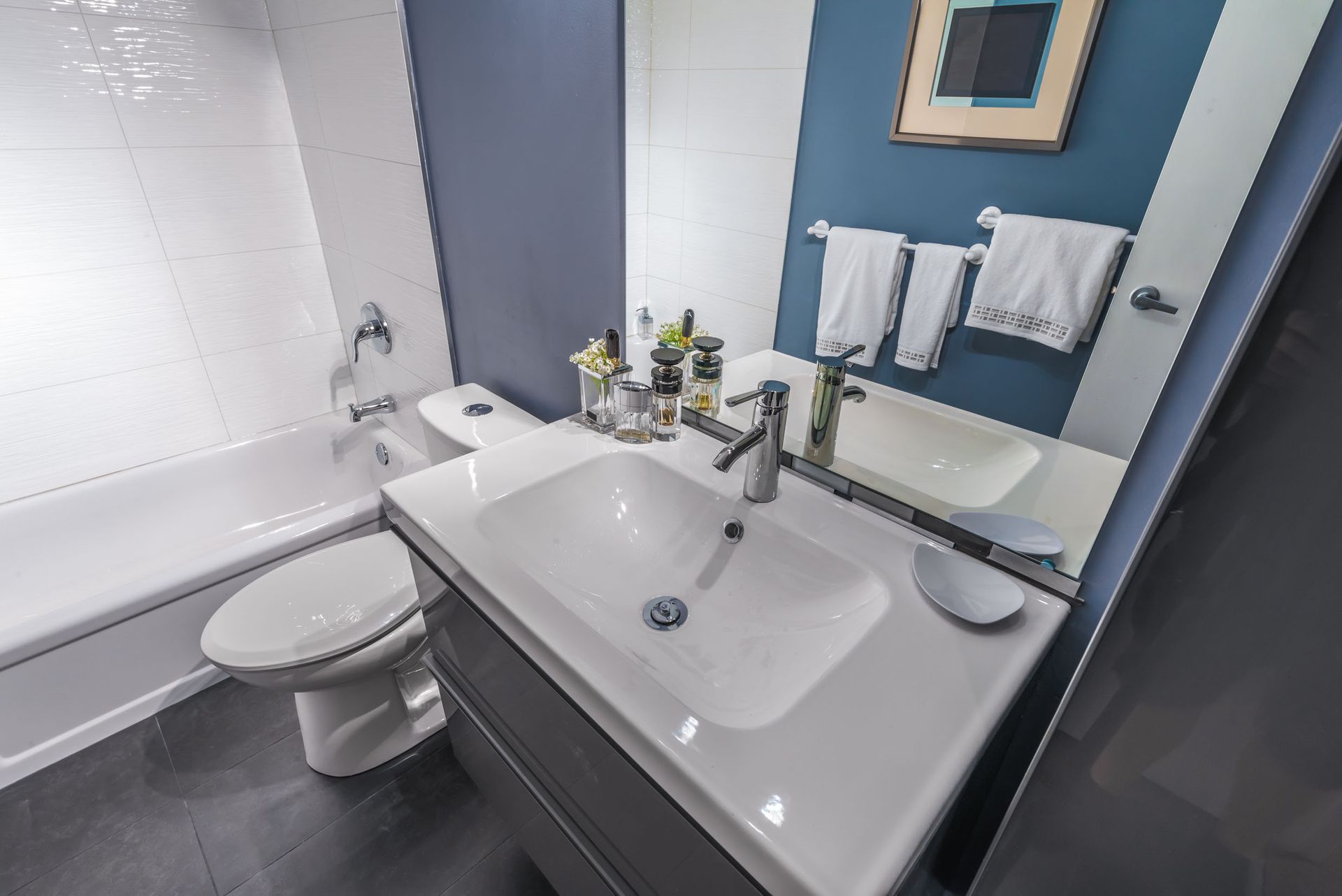
One of the easiest ways to detect a silent leak is to keep a close eye on your monthly utility statements. While water usage naturally fluctuates slightly with seasonal shifts or changes in daily operations, a sudden or gradual spike in consumption without an obvious cause is a major red flag. If your habits haven't changed but your expenses are climbing, an undetected leak is likely discharging water somewhere in your system. To combat rising utility costs, many modern properties are upgrading to highly efficient hardware. According to the EPA, we can all use at least 20 percent less water by installing water-efficient fixtures and appliances. However, even the most advanced fixtures cannot offset the financial drain of a broken line, making routine monitoring essential. When unexplained budget increases occur, partnering with a professional plumbing company to conduct a comprehensive system inspection is the most effective next step.
Inspecting Your Property Physical Surfaces
Water always leaves a physical trail, even when the source of the leak is deeply buried within the infrastructure of a building. You should routinely scan your ceilings, walls, and flooring for any unexplained discoloration, warping, or soft spots. In drywall, a hidden leak often manifests as a faint yellowish-brown stain that gradually expands over time. On tiled or hardwood floors, you might notice buckling, lifting, or a strange sponginess when walking across the room. These structural changes indicate that moisture has already saturated the subfloor or structural framing. If you notice these warning signs, it is critical to call an experienced plumbing company immediately to locate the source before walls begin to crumble or structural beams lose their integrity.
Tracking Your Main Water Meter
If you suspect an invisible leak but cannot find any visible stains on your walls or ceilings, your water meter can provide definitive proof. To perform a basic meter test, ensure that every single faucet, appliance, and water-using machine on your property is completely turned off. Once you are certain no water is being actively used, locate your main meter box and look closely at the indicator dial. Many meters feature a small, sensitive low-flow indicator triangle or wheel that spins when even a tiny drop of water moves through the pipes. Alternatively, you can write down the exact numeric reading, wait two to three hours without using any water, and check the numbers again. If the meter has moved, water is actively escaping from your system, and scheduling a professional water repair service with a licensed plumbing company will help pinpoint the exact location of the breach.
Assessing Unusual Textures And Odors
A persistent, musty odor that smells like damp cardboard or old wood is a classic sign of trapped moisture. Because dark spaces behind drywall and beneath floors provide the perfect breeding ground for organic growth, hidden water leaks almost always trigger mold and mildew development within 24 to 48 hours. You might also notice a sudden increase in indoor humidity levels or a strange, localized warmth on a specific section of a concrete slab floor, which often points to a leaking hot water line. Ignoring these sensory warnings can lead to severe indoor air quality issues and extensive rot throughout your property's wooden framework. A qualified plumbing company can utilize specialized equipment to test moisture levels inside walls without causing unnecessary destruction to your finishes.
Evaluating Your Water Pressure Performance
A sudden, unexplained drop in water pressure across your property is another strong indicator that the plumbing system has compromised integrity. When a main supply pipe cracks or pulls apart underground, a significant volume of water escapes before it ever reaches your faucets or equipment. You might notice that fixtures take twice as long to fill, or that pressure feels unusually weak during routine daily tasks. This drop in velocity forces commercial equipment and household appliances like dishwashers and water heaters to run longer cycles, causing premature mechanical wear and spikes in your energy usage.
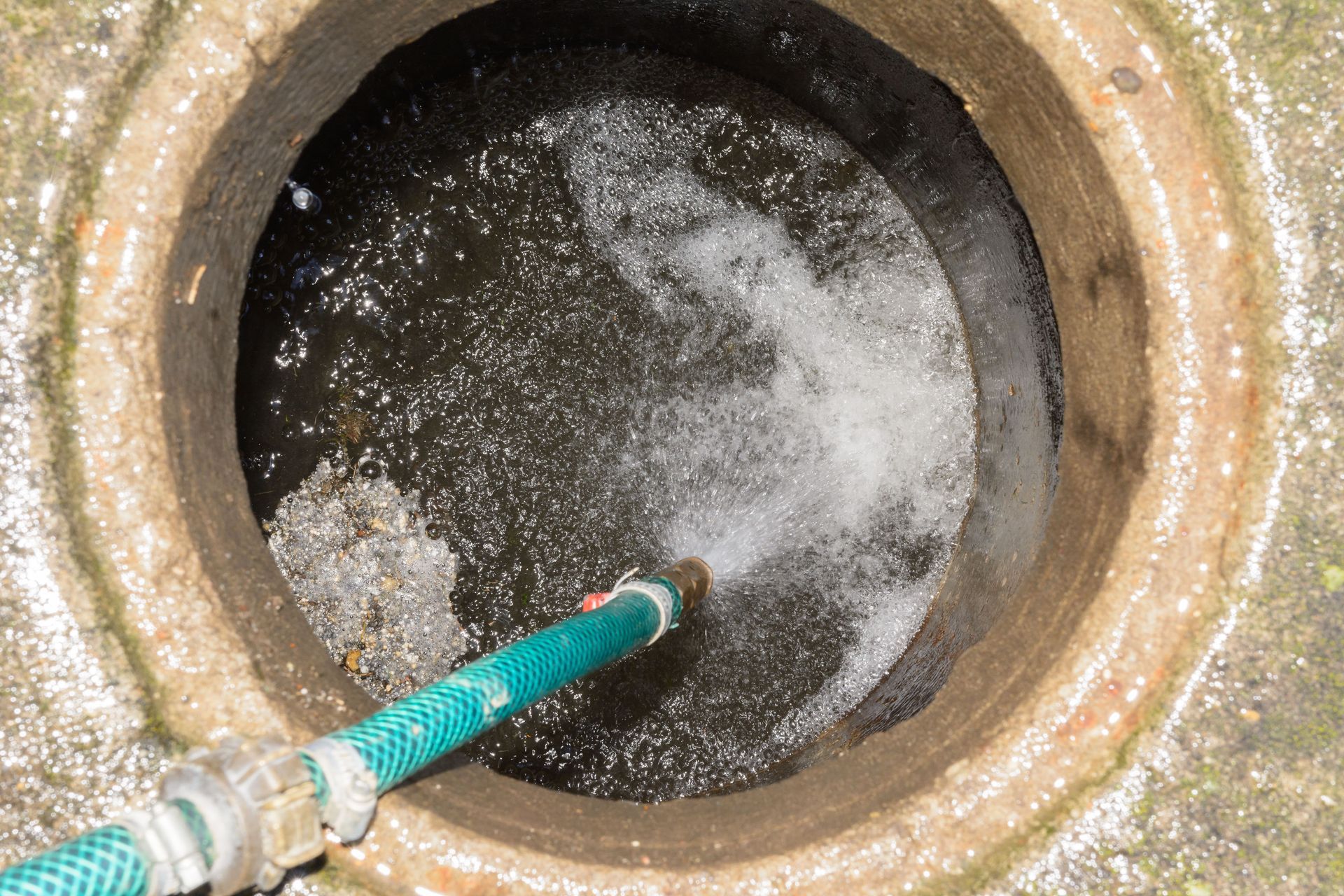
Low pressure strains your systems and disrupts normal daily routines, but more importantly, it means hundreds of gallons of water could be washing away the soil beneath your foundation. This continuous underground erosion creates massive voids beneath concrete slabs, leading to uneven floors, cracked structural walls, and severely compromised building stability. Having a licensed plumbing company evaluate your lines ensures that a hidden main line failure is caught and repaired before it causes severe foundation settling.
Listening For Distinct Plumbing Sounds
When a property is completely quiet, your ears can be incredibly effective tools for diagnostic troubleshooting. Take a few moments during an off-peak hour to stand quietly near your main bathroom, kitchen, or utility rooms and listen closely for the sound of running, dripping, or whistling water. A faint, continuous hissing sound inside a wall often indicates a pinhole leak in a copper pipe under high pressure. You might also hear a distinct ticking or clicking sound after hot water is used, which points to pipes expanding and rubbing against wooden framing due to hidden leaks or poor insulation.
Similarly, a toilet that constantly gurgles or cycles on and off when not in use is a major source of invisible water waste, usually caused by a faulty flapper valve or a deteriorating overflow tube. These subtle acoustic clues are often your very first warning sign before visible water stains ever appear on your drywall. Because these small issues can quickly escalate into full-scale emergencies like structural wood rot or mold growth, letting a professional plumbing company inspect your fixtures can save you thousands of dollars in long-term property damage.
Scheduling Professional Camera Inspections
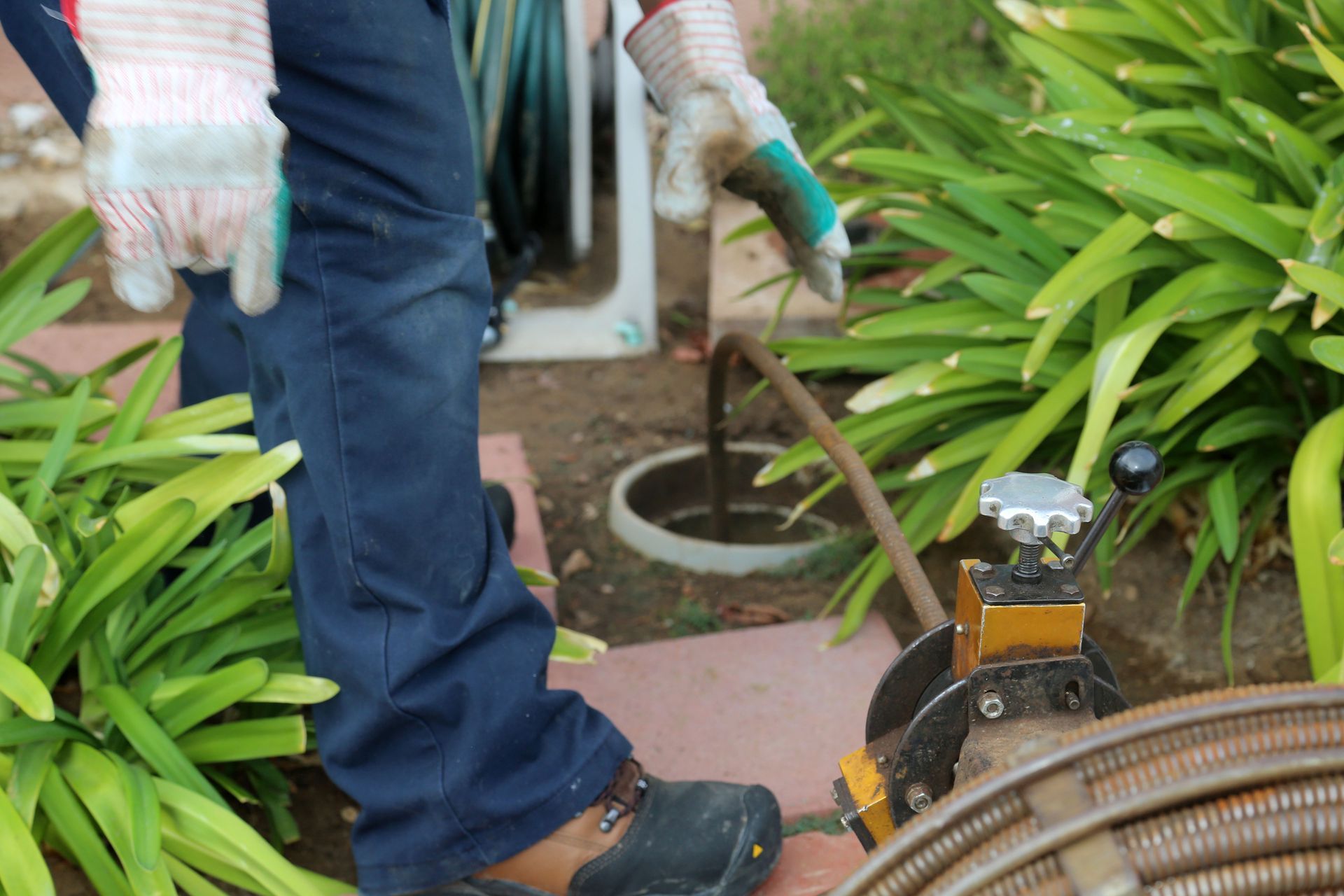
While DIY monitoring methods are excellent for early detection, some leaks are simply impossible to find without advanced technology. Modern plumbing professionals utilize state-of-the-art sewer camera inspection systems to look directly inside your drain lines and underground pipes. This non-invasive diagnostic method allows technicians to visually inspect the internal condition of your lines, identifying hair-thin cracks, shifting joints, and invasive tree roots that cause slow leaks. Rather than digging up your landscape or tearing through plaster on a guessing game, a sewer camera inspection pinpoints the exact foot of the problem. Investing in this routine preventative maintenance gives you complete clarity on the health of your system and allows you to address minor vulnerabilities before they become major structural disasters.
Protecting your property from the devastating effects of silent water structural damage requires a combination of vigilant observation and professional expertise. By staying proactive, checking your water meter, and acting quickly at the first sign of a musty odor or unexplained wall stain, you can keep the plumbing system operating perfectly. When you need reliable, expert assistance to safeguard your plumbing, the team at Raleigh Plumbing & Heating, Inc. is always ready to deliver top-tier service, new construction support, and complete peace of mind.

Share On: