The Property Manager's Guide to Preventive Commercial Sewer Maintenance
Preventive maintenance of commercial sewer systems is an essential responsibility that property managers must prioritize to ensure the long-term functionality, structural integrity, and safety of their facilities. Implementing a proactive approach to drainage care minimizes the risk of sudden, catastrophic breakdowns while generating substantial cost savings over time. By taking measures to maintain waste management networks before minor issues escalate, managers protect building infrastructure, safeguard tenant satisfaction, and maintain continuous business operations. This comprehensive guide details the fundamental strategies, technical considerations, and operational protocols required to manage commercial drainage systems efficiently and effectively.
The accumulation of debris, fats, oils, grease, and structural obstructions within commercial pipes can cause severe operational halts. Addressing these issues reactively often leads to exorbitant emergency plumbing fees, extensive property damage, and severe health hazards. When a main sewer infrastructure fails due to prolonged neglect, the resulting disruption extends far beyond direct repair costs; it damages the commercial reputation of the property management company and alienates valuable commercial tenants. Establishing a comprehensive preventive strategy is therefore crucial for preserving property value, sustaining healthy tenant relations, and ensuring full regulatory compliance across all commercial assets.
1. Assessing System Infrastructure
Commercial sewer networks consist of heavy-duty, interconnected components engineered to collect, transport, and discharge large volumes of wastewater efficiently. These systems include lateral collection lines, cleanouts, grease interceptors, lift stations, and main connection pipes that must function harmoniously. According to Forbes, the main sewer line is the large, four-inch or six-inch pipe that all of the home's drain pipes run into. Property managers must develop a technical understanding of how these structural elements connect to diagnose emerging flow issues promptly and communicate precisely with certified plumbing contractors.
The physical layout and structural demands of a sewer network vary significantly based on building size, property age, and tenant industry type. For instance, multi-tenant commercial centers housing food service establishments impose vastly different demands on piping infrastructure compared to standard corporate office parks. Larger properties feature complex, multi-tiered configurations that require detailed plumbing schematics and routine physical verification. Maintaining accurate, updated architectural layouts minimizes operational confusion during routine maintenance and allows technicians to locate cleanout access points immediately during unexpected disruptions.
A thorough understanding of structural dynamics aids managers in making informed long-term capital allocation decisions. Recognizing pipe composition, whether cast iron, PVC, or legacy clay, allows management to predict wear rates, corrosion susceptibility, and potential joint vulnerabilities accurately. Technical knowledge empowers property managers to evaluate contractor assessments critically, enforce strict service standards, and avoid unnecessary structural replacements. Gaining complete visibility into wastewater infrastructure serves as the essential foundation for every successful preventive care initiative.
2. Performing Routine Inspections
Scheduled diagnostic evaluations are vital for identifying structural wear, pipe displacement, and internal accumulation before severe blockages occur. Advanced diagnostic tools, such as self-leveling Closed-Circuit Television (CCTV) pipe inspection cameras, allow certified technicians to examine pipe interiors in real time without invasive excavation. These high-definition cameras travel through lateral lines to capture high-resolution video footage of cracked walls, sagging line segments, root penetrations, and scale accumulation. Implementing an annual or semi-annual CCTV inspection routine ensures accurate diagnostics, enabling management to address minor structural flaws proactively.
Proactive pipe inspections preserve structural longevity while keeping operational expenses predictable and manageable over the long term. Spotting minor defects early, such as hair accumulation, localized scale formation, or minor tree root intrusions, prevents total pipe collapse and widespread interior flooding. Furthermore, detailed digital video logs provide immutable proof of systematic maintenance, which is essential for satisfying insurance requirements and verifying compliance with municipal codes. Documenting internal pipe conditions over time helps managers track line degradation and schedule capital repairs strategically rather than under emergency conditions.
The frequency and scope of inspection protocols should be tailored to specific property usage patterns, age, and waste volume. Facilities that accommodate high-volume food service, commercial manufacturing, or dense residential tenancy require more frequent camera evaluations than standard commercial office buildings. Establishing partnerships with licensed commercial plumbing contractors ensures precise diagnostic interpretations and reliable preventative planning. Systematic inspection routines eliminate guesswork, giving property managers complete control over the operational health of their drainage networks.
3. Implementing Sewer Line Cleaning
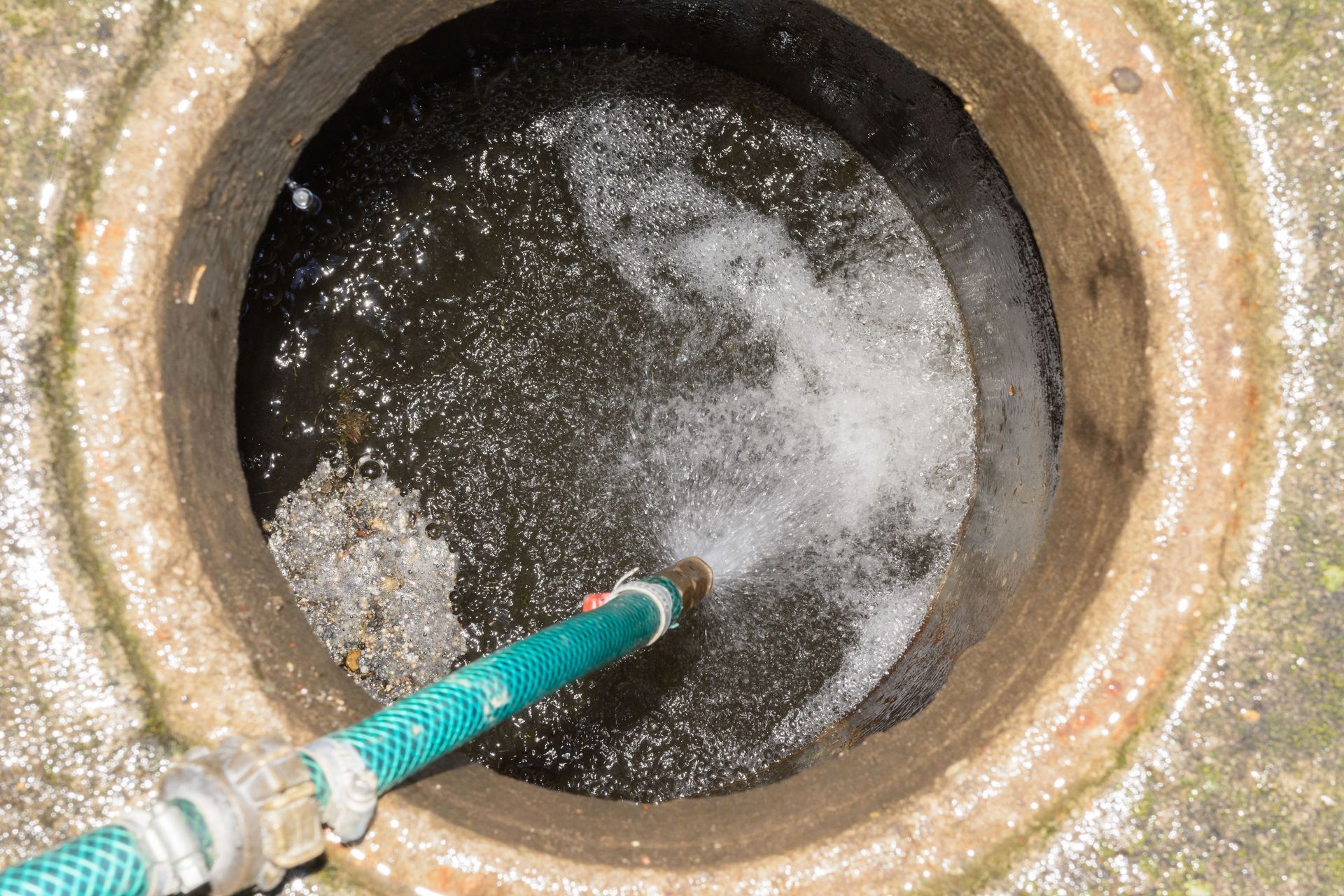
Routine sewer line cleaning is necessary to clear heavy grease deposits, organic sludge, mineral scale, and external debris from pipe walls. Commercial facilities discharge high volumes of solid waste and viscous liquids that gradually adhere to interior pipe surfaces, restricting wastewater flow and increasing internal system pressure. Utilizing professional clearing methods, such as high-pressure hydro-jetting, thoroughly scours interior pipe walls using concentrated water streams, restoring full volumetric capacity without damaging the underlying pipe structure.
Establishing a regular clearing schedule eliminates severe sanitation risks associated with raw sewage backups and standing wastewater. Accumulated organic debris within commercial lines rapidly decomposes, generating noxious sewer gases and creating optimal breeding conditions for bacteria and pests. Professional sewer line cleaning removes these stubborn organic compounds before decomposition occurs, neutralizing foul odors and maintaining a hygienic, professional environment for tenants, employees, and clients alike.
Incorporating regular sewer line cleaning into annual facility maintenance budgets prevents emergency plumbing service fees and operational downtime. Professional maintenance cleanings can be scheduled during off-peak hours or planned facility shutdowns, completely avoiding disruption to tenant business operations. Proactive clearing protects underground infrastructure from accelerated wear caused by chronic blockages, extending system service life and delivering significant return on investment.
4. Mitigating Environmental Risks
Commercial property management requires strict adherence to local, state, and federal environmental compliance laws governing wastewater discharge and environmental safety. Municipal utility departments strictly enforce regulations regarding grease trap maintenance, chemical waste containment, and stormwater isolation. Failing to comply with wastewater regulations can result in severe municipal fines, mandatory operational shutdowns, and public civil liability. Property managers must enforce strict lease policies prohibiting tenants from flushing hazardous chemicals, solid items, or untreated grease into drainage systems.
Proactive environmental management protects local ecosystems, soil stability, and municipal water tables from harmful contamination. Untreated sewage spills resulting from main line blockages release hazardous pathogens, heavy metals, and synthetic chemicals into surrounding soils and stormwater runoff channels. Implementing routine waste interceptor servicing and environmentally sound clearing practices prevents accidental discharge, protecting surrounding habitats and demonstrating corporate environmental responsibility within the local community.
Educating commercial tenants on waste management protocols is an effective, low-cost preventive strategy for maintaining internal pipe health. Providing clear, accessible guidelines regarding grease containment, non-flushable materials, and chemical disposal drastically reduces strain on plumbing lines. Establishing collaborative communication between building management and tenant staff ensures compliance at the source, preventing avoidable pipe blockages and supporting broader facility sustainability goals.
5. Structuring Preventive Schedules
Developing a structured maintenance schedule ensures continuous operational oversight, task accountability, and consistent service execution. A complete maintenance plan details precise intervals for visual checks, professional sewer line cleaning, interceptor pumping, and annual camera audits. Leveraging digital Computerized Maintenance Management Systems (CMMS) automates work order dispatching, tracks technician service history, and archives inspection records, eliminating reliance on manual tracking and reducing human oversight errors.
Maintenance schedules must account for seasonal weather variations, temperature fluctuations, and periodic usage spikes across the calendar year. For example, heavy rainfall during wet seasons demands thorough clearing of outdoor drainage lines to handle rapid runoff, while freezing winter temperatures require insulating exposed lines and checking cleanouts for frost damage. Adapting maintenance frequency to environmental changes ensures plumbing resilience against sudden weather events and unexpected demand surges.
Selecting certified, fully insured commercial plumbing professionals ensures consistent service quality and long-term asset protection. Property managers should formalize service level agreements with established plumbing providers to guarantee priority emergency response times and fixed, predictable pricing structures. Partnering with dedicated commercial specialists ensures high-quality sewer line cleaning,





Share On: