When Should I Call a Professional for Drain Repairs?

December 23, 2024

Dealing with a clogged or malfunctioning drain can be a significant hassle for any homeowner. While some minor issues can be resolved with DIY methods, there are times when calling a professional becomes a necessity. Knowing the right time to seek expert help can save you from more extensive damage, unnecessary headaches, and higher expenses down the line. Understanding when to seek professional intervention is crucial in maintaining a well-functioning plumbing system.


Recurrent Clogs


One of the most obvious signs that you need a professional for drain repairs is recurrent clogs. If you find yourself repeatedly dealing with the same clogged drain, it indicates a deeper issue within your plumbing system that requires expert investigation. DIY solutions like plungers and chemical drain cleaners can provide temporary relief but often fail to address the root cause. Professionals have the expertise and tools to inspect your pipes and fix the underlying problem, ensuring a long-term solution.


Slow Drainage


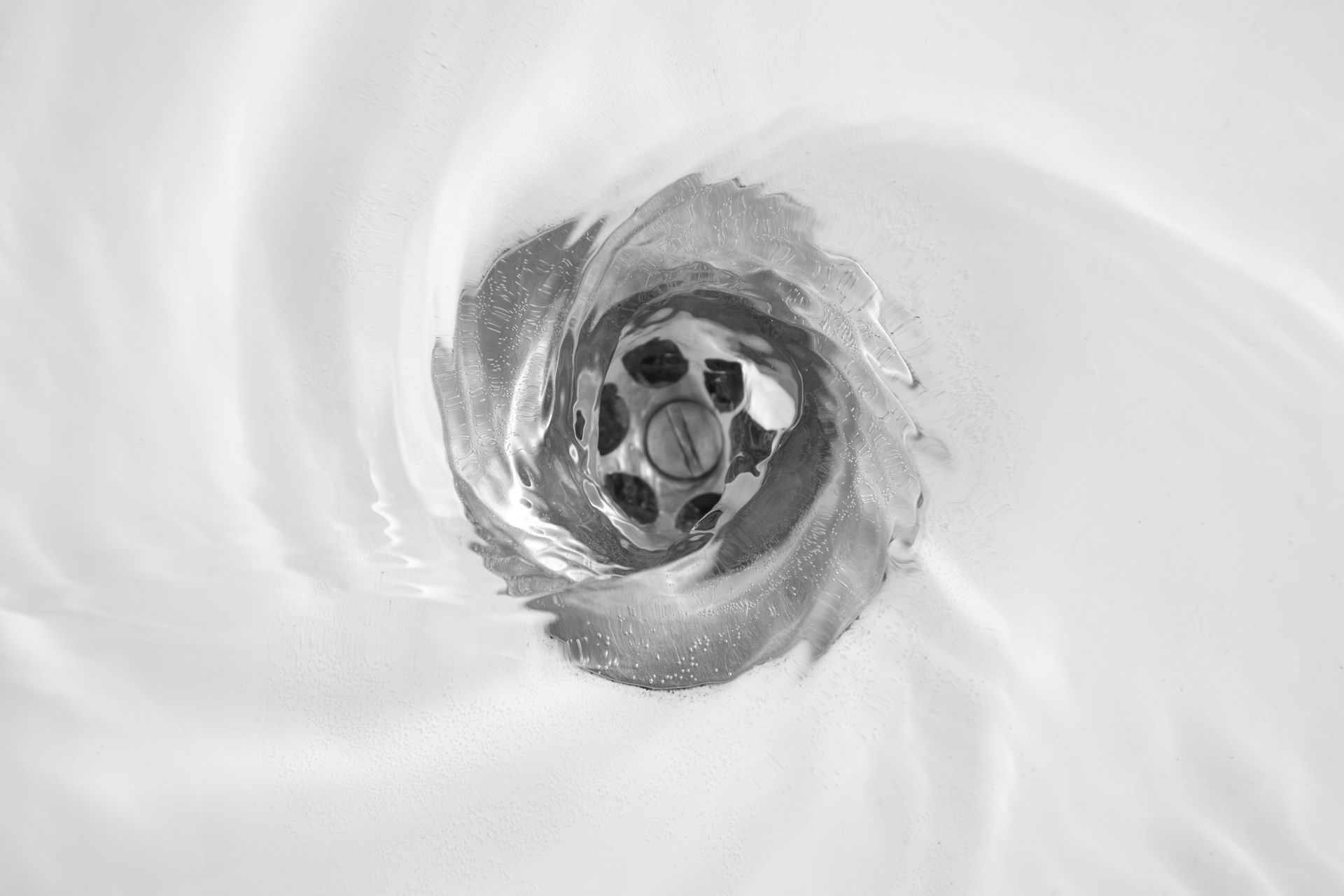
Slow drainage in sinks, tubs, or showers is another indicator that professional attention might be needed. If water takes longer than usual to drain, it often suggests that there is a blockage building up within the pipes, potentially leading to more severe clogs or damage later on. Professionals use specialized equipment like cameras to conduct thorough inspections, allowing them to identify and resolve issues quickly and efficiently. Regular check-ups can prevent escalation to more serious plumbing emergencies, saving you time and money.


Unpleasant Odors


Sometimes, unpleasant odors emanating from your drains are a red flag that you shouldn't ignore. These odors can suggest trapped debris, sewage backup, or even the presence of harmful bacteria within your pipes. Such issues may lead to health risks if not addressed promptly. According to Plumbing Manufacturers International, 13.7% of water use is the result of leaks, which can sometimes go unnoticed, exacerbating drain issues. Drain repairs by professionals can effectively eliminate these odors and prevent further complications, ensuring a clean and healthy plumbing system.


Visible Leaks and Water Damage


Visible leaks or water damage around plumbing fixtures signal a more serious concern requiring immediate professional intervention. Even minor leaks can lead to mold growth, structural damage, and increased water bills if not promptly addressed. Professionals can accurately locate and repair leaks, safeguarding your home from extensive water damage. Early intervention in drain repairs is key to preventing further deterioration and costly repairs, keeping your home safe and efficient.


Unusual Noises in Drains


Gurgling sounds coming from drains are often overlooked, but they can be a sign of air pockets within your plumbing system or possible venting issues that need professional assessment. Ignoring these noises can lead to inefficiencies or even full blockages over time. By consulting a professional plumber, you can diagnose and fix venting problems, ensuring your drainage system operates smoothly. Properly maintained plumbing prevents recurring blockages and noisy disruptions.


When DIY Repairs Fall Short


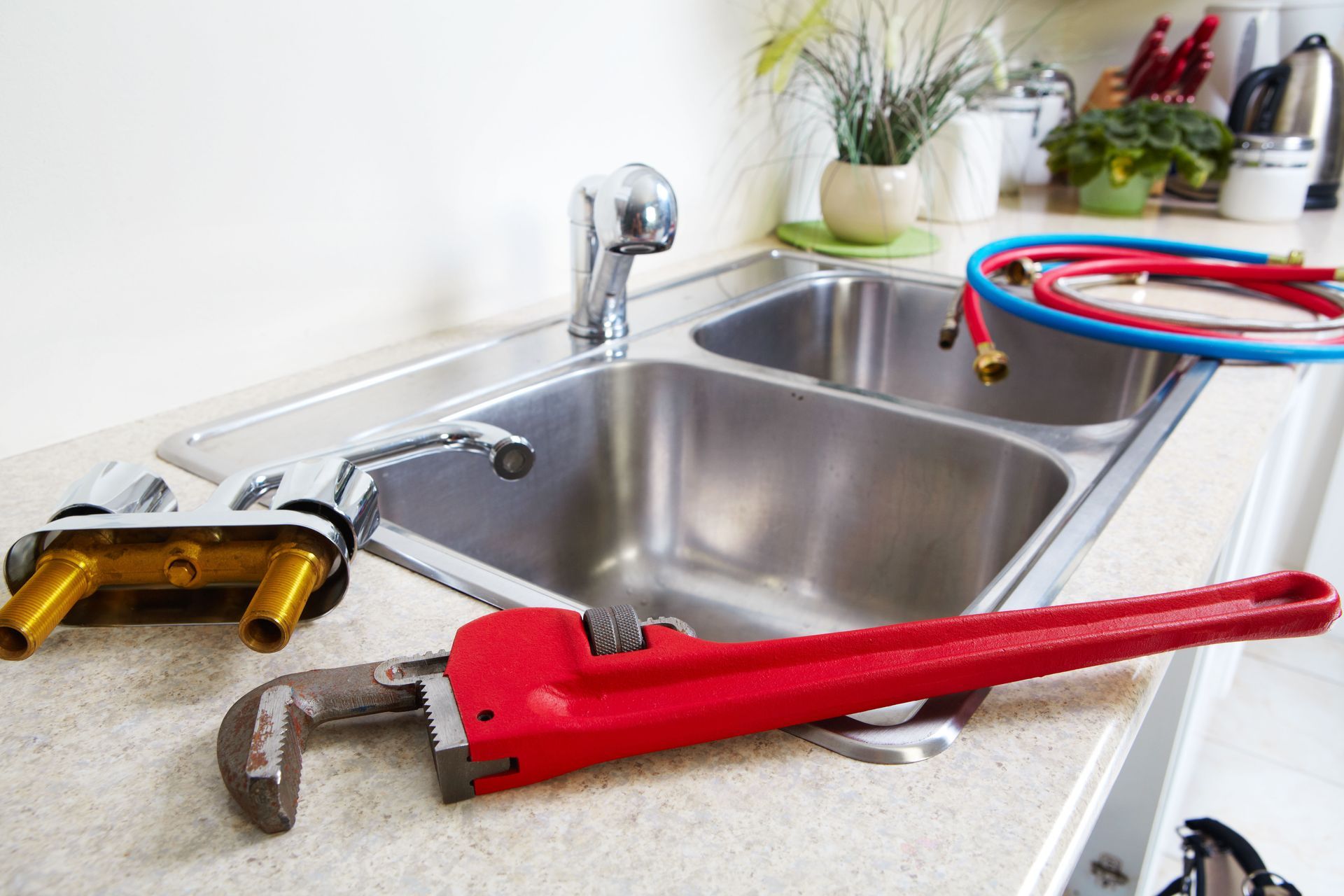
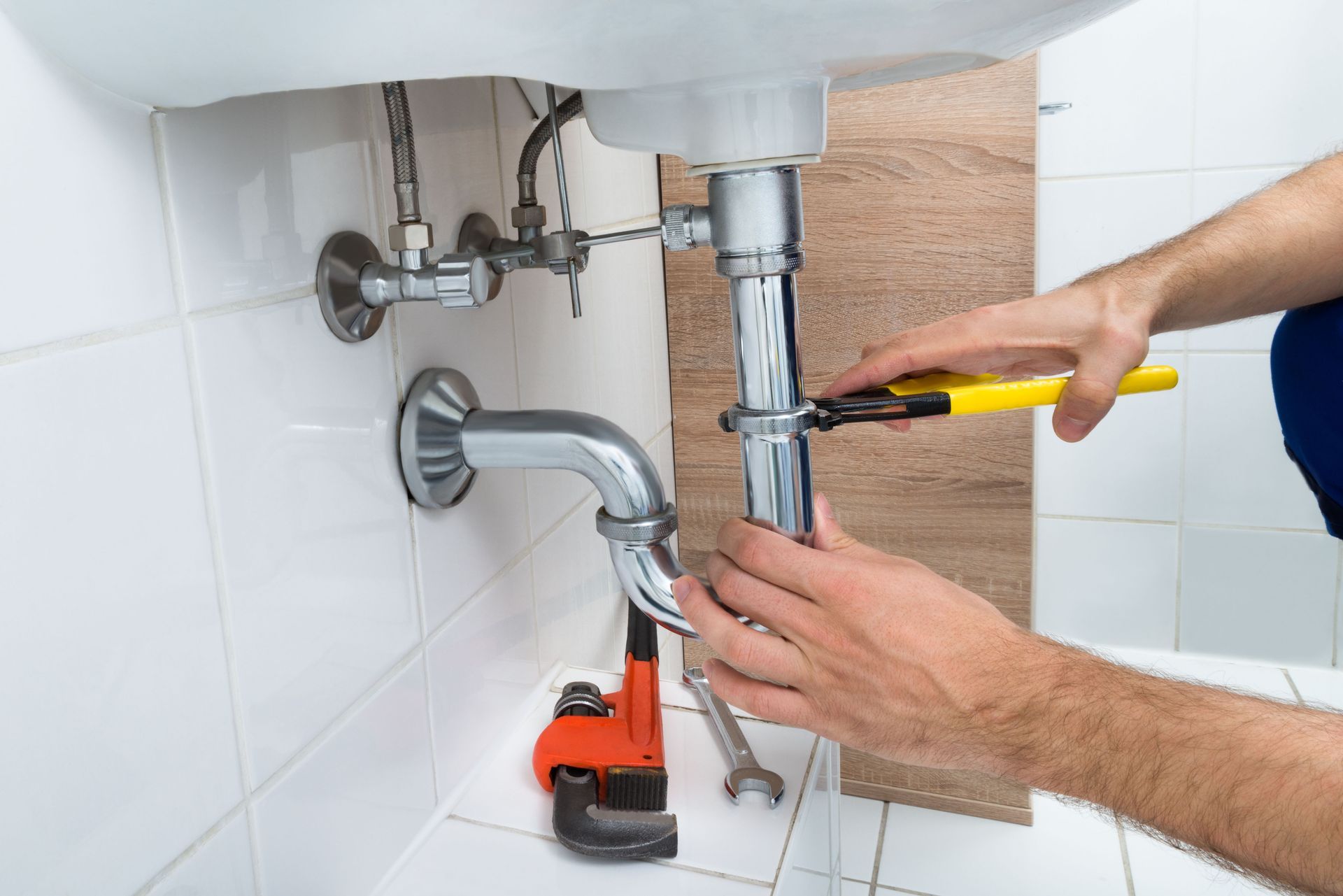
While many homeowners attempt to resolve minor drain issues on their own, there are situations where DIY methods simply aren’t enough. Using incorrect tools or techniques can sometimes worsen the problem, leading to damaged pipes or incomplete blockages. Professional plumbers not only have access to specialized equipment, such as hydrojetting machines and pipe inspection cameras, but they also have the expertise to use them effectively. Hiring an expert ensures the problem is fully resolved, saving you time and potential repair costs in the long run.


Preventative Maintenance


In addition to addressing specific problems, scheduling regular maintenance for your drains is a proactive way to avoid major issues. Professionals can spot early signs of trouble, like small blockages or wear in pipes, and perform preventative drain repairs before they escalate. This approach not only extends the lifespan of your plumbing system but also saves you from the inconvenience of unexpected emergencies.


Knowing when to call a professional for drain repairs is crucial for maintaining the integrity of your plumbing system and preventing further complications. Whether you're dealing with recurrent clogs, slow drains, unpleasant odors, visible leaks, unusual sounds, or simply want to practice preventative maintenance, seeking expert help promptly can save you from costly repairs and extensive damage. Professional plumbers have the tools, knowledge, and experience to diagnose and remedy plumbing issues efficiently and effectively. By addressing problems early, you can ensure your home's plumbing system remains in optimal condition for years to come. Contact Raleigh Plumbing & Heating, Inc today for more information.
plumbing company
December 12, 2025
Are your water pipes showing signs of aging? A plumbing company can inspect, repair, or replace them to prevent leaks, low pressure, and damage.
November 11, 2025
Water heaters are a critical component of any household, providing the necessary hot water for showers, cooking, and cleaning. Understanding the importance of setting the right temperature is crucial for optimizing energy efficiency, ensuring safety, and maintaining comfort. Let's explore the sweet spot in water heater temperature settings, providing insights into the science, health considerations, energy savings, and individual adaptation to enhance your water heating experience. The Science Behind Water Heater Temperature Water heater temperature settings typically range between 40 and 60 degrees Celsius, each degree affecting energy consumption and water pressure. The lower the temperature, the less energy is used, but this may compromise the comfort and efficiency of daily household activities. On the other hand, setting it too high increases risks such as scalding and energy wastage. Understanding these settings allows homeowners to strike a balance between saving energy and maintaining a consistent water supply. According to AOS Bath, setting your water heater to 50 degrees Celsius can help you shower smartly, save money, and keep your family safe. The temperature at which your water heater operates directly impacts energy consumption levels. Higher settings require more energy, leading to increased utility bills and potentially higher carbon footprints. Conversely, lower temperatures require less energy, promoting environmental sustainability and energy savings. Striking a balance in your water heater's setting can significantly contribute to reducing operational costs while meeting household needs. Thermostats play a pivotal role in regulating water heater temperatures, ensuring consistency and efficiency. Modern water heaters come equipped with advanced thermostatic controls that enhance the precision of temperature settings. By accurately controlling the water temperature, thermostats help mitigate risks associated with both underheating and overheating. Additionally, they offer homeowners the convenience of adjusting settings based on their specific preferences and needs. Water heater temperature affects not only energy and safety but also water pressure levels. Higher temperatures can cause increased pressure, potentially leading to system failures or plumbing issues. Understanding how temperature correlates with pressure helps in optimizing water supply efficiency while mitigating the risk of damages. Maintaining a balanced temperature is integral to ensuring consistent water flow and pressure within the household. Health and Safety Considerations Scalding is a significant risk associated with excessive water heater temperatures, especially in households with vulnerable individuals like children and the elderly. Water set above 60 degrees Celsius can cause severe burns almost instantly, underscoring the importance of regulated settings. Preventing scalding involves not only setting appropriate temperatures but also installing anti-scald devices where necessary. Being aware of scalding risks prompts caution and proactive adjustments to water heater settings. Legionella bacteria thrive in warm water environments, presenting a significant health risk if water heaters are set too low. Temperatures around 40 degrees Celsius can create favorable conditions for bacterial growth, leading to Legionnaires' disease, a potentially fatal respiratory illness. Therefore, maintaining a minimum temperature of 50 degrees Celsius or higher is crucial to inhibit bacterial proliferation. According to health experts, ensuring water temperatures are above this threshold is vital for preventing bacterial contamination and safeguarding household health. Achieving a balance between safety and comfort is pivotal when determining the ideal water heater temperature. Too low settings may compromise appliance efficiency and user comfort, while excessively high settings pose scalding risks. Homeowners must consider personal comfort preferences alongside safety guidelines to determine suitable temperature settings. Regular reviews and adjustments based on changing needs and seasonality can help maintain this balance effectively. Special consideration is necessary for protecting vulnerable populations, such as young children and the elderly, from temperature-related risks. These groups are more susceptible to burns and the adverse impacts of bacteria exposure, necessitating careful monitoring and temperature adjustments. Installing anti-scald devices and thermostatic mixing valves can provide an additional layer of protection. Educational efforts focused on temperature awareness and proactive management are vital in safeguarding these populations. Energy Efficiency and Cost Savings Setting your water heater at optimum temperatures plays an essential role in achieving energy savings. Maintaining a moderate temperature, such as 50 degrees Celsius, helps balance energy consumption with household demands. By avoiding excessively high temperatures, homeowners can reduce energy expenditures without sacrificing functionality or comfort. Efficient temperature management complements broader sustainability efforts, benefiting both finances and the environment. The long-term cost benefits of setting the right water heater temperature are considerable. Reduced energy usage translates into lower utility bills, offering substantial savings over time. Additionally, optimizing temperatures prolongs the lifespan of your water heater, reducing the frequency and expense of repairs or replacements. Investing in energy-efficient practices not only increases immediate savings but also contributes to overall financial stability in the long run. Energy bills are largely influenced by water heater settings, providing an opportunity for significant reductions with optimal management. Setting a moderate temperature can lower monthly energy expenses, offering immediate financial relief. The cumulative effect of these savings is substantial, especially in households with high water heating demands. Implementing efficient temperature settings becomes a tangible means of managing energy costs effectively. Upgrading to energy-efficient water heater models enhances the benefits of optimal temperature management. These advanced systems incorporate technologies that allow precise temperature control while maximizing energy savings. Investing in an energy-efficient model offers convergence between sustainability and personal comfort. Over time, the initial investment in upgraded models is offset by long-term savings and reduced environmental impact. Determining Your Personal Sweet Spot Determining the ideal water heater temperature setting requires a personalized assessment of your home's specific needs. Consideration of daily water usage patterns, climate conditions, and appliance demands is key in identifying suitable settings. A nuanced understanding of these factors assists in tailoring temperature settings that fulfill unique household responsibilities. To maintain efficiency and satisfaction, ongoing evaluation and adaptation of setting strategies are necessary. Family size and water usage patterns significantly influence the ideal setting for your water heater. Larger households may require slightly higher temperatures to accommodate increased hot water demands. Conversely, smaller families may achieve greater energy savings by setting lower temperatures suitable for their needs. Recognizing and adapting settings according to family dynamics promotes both efficiency and satisfaction. User comfort and individual preferences are essential considerations in establishing personalized water heater settings. While efficiency and safety provide foundational guidance, accommodating specific comfort levels enhances satisfaction with daily experiences. Experimenting with different settings can help identify options that fulfill both practical and personal preferences. Awareness of household needs fosters continuous adaptation and satisfaction with temperature management strategies. Conducting a temperature test is an essential practice in determining the optimal setting for your water heater. By measuring temperatures at points of use, such as faucets and showers, homeowners gain insights into how settings translate into actual experiences. This practice allows for precise adjustments to achieve desired temperature levels in line with comfort and safety goals. Regular temperature tests at different times and fixtures provide a comprehensive understanding for effective settings. Finding the sweet spot for your water heater temperature setting is integral to achieving an efficient, safe, and comfortable household. This article highlights the scientific principles, health and safety considerations, energy efficiency prospects, and personal adaptation necessary for optimal water heater management. Regular reviews and mindful adjustments aid in maintaining ideal settings that adapt to changing household needs and environmental considerations. Empowerment through knowledge and proactive involvement in temperature management fosters sustainable and satisfactory water heating practices, enhancing overall quality of life. For expert assistance with your water heater and plumbing needs, visit Raleigh Plumbing & Heating, Inc. today.
water heater replacement
November 10, 2025
Are you looking for a water heater replacement? Reach out to the professionals at Raleigh Plumbing & Heating, Inc. today for quality service!
plumbing company
November 7, 2025
Let's cover the most common warning signs of a hidden water leak, where to look for them, and how a professional plumbing company can help.
water heaters
October 1, 2025
Explore the fascinating history of water heaters, and trust Raleigh Plumbing & Heating, Inc for expert service, installation, and reliable repairs.
drain jetting
September 25, 2025
Are you wondering if your home needs drain jetting? Here are some of the top signs that it's time to call in the professionals.
plumbing company
May 20, 2025
There are a few great ways a plumbing company can save you money in the long run. Keep reading or contact us today to learn more.
clogged drain repair
February 26, 2025
Are you in need of clogged drain repair? In this article, we discuss the common plumbing issues and how to deal with them.
plumbing company
January 24, 2025
When plumbing issues arise, choosing the right plumbing company is crucial. Explore questions that guide your discussion with any potential plumbing service.
commercial plumbing company
October 30, 2024
Discover eight signs that indicate it’s time to contact a commercial plumbing company to prevent disruptions and keep your business running smoothly.